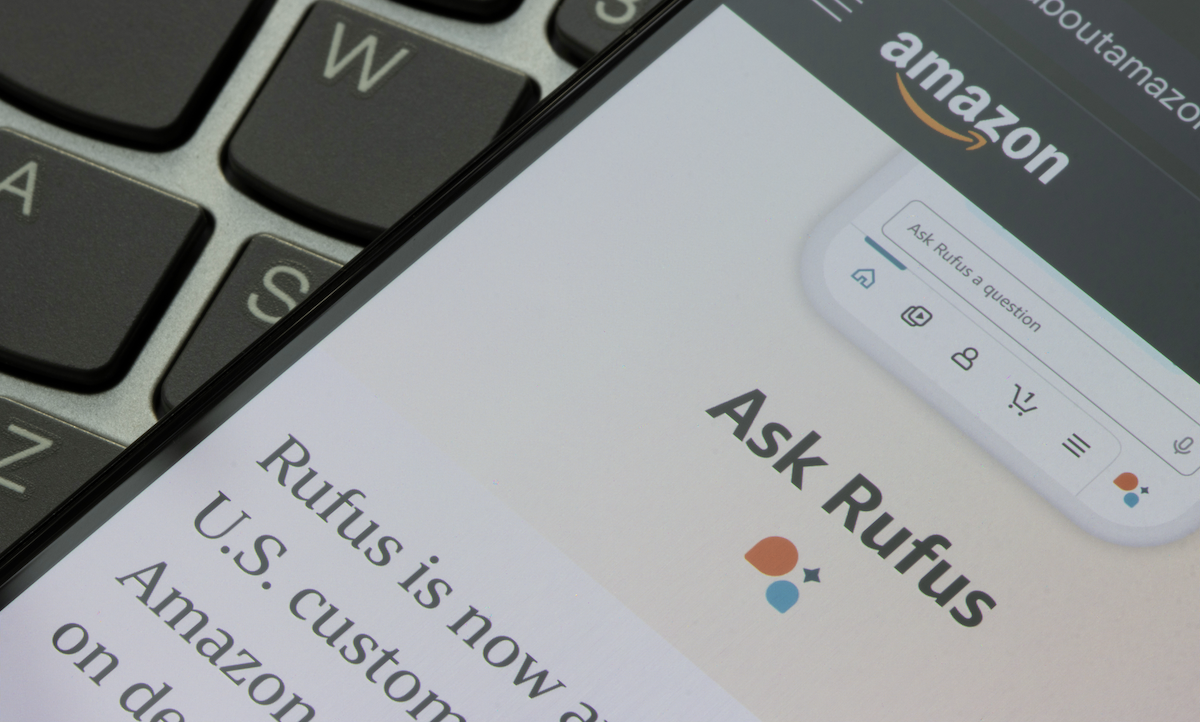
Amazon has unveiled significant updates to its AI shopping assistant, Rufus, amid a remarkable surge in user engagement. This announcement, made on November 18, highlights the rapid adoption of the tool, which has experienced triple-digit growth in users over the past year.
Since its beta launch last winter and subsequent nationwide rollout in July 2024, Rufus has expanded its capabilities substantially. According to Amazon, the updates enhance the assistant’s understanding of various shopping categories and improve its product research, evaluation, and recommendation features. The company has implemented over 50 technical upgrades aimed at making Rufus faster and more efficient for users.
In terms of user engagement, the statistics are striking. More than 250 million customers have utilized Rufus in 2024, with a 149% increase in monthly active users and a staggering 210% rise in user interactions year-over-year. Furthermore, Amazon reports that shoppers who engage with Rufus while browsing are over 60% more likely to complete a purchase during that session.
The enhancements to Rufus come at a critical juncture, as AI-powered shopping assistants are increasingly being recognized as essential tools for retailers. As highlighted by industry insights from PYMNTS, bots like Rufus and Walmart’s Sparky have evolved into what are termed “digital concierges.” This shift necessitates that merchants make their data and policies accessible not just to consumers but also interpretable by machines.
In conjunction with these developments, Amazon and Walmart are both adapting their strategies to cater to a more cautious consumer base. Recent reports indicate that both companies are introducing innovative approaches such as AI-assisted purchasing and revamped advertising strategies to boost sales. For Amazon, this includes the aforementioned improvements to Rufus, along with an expansion of its Amazon Haul and Amazon Bazaar shopping experiences to 14 new markets.
On the other hand, Walmart is reportedly rethinking its supply chain strategies. By partnering with U.S.-based materials companies and agricultural innovators, Walmart aims to reduce its reliance on vulnerable supply routes while positioning itself as “an engine of economic renewal.” The company is also implementing an aggressive holiday strategy, featuring early access to Black Friday deals and extended promotional cycles.
The initiatives by both retailers may not always be directly visible to consumers, but their effects are palpable. Shoppers can expect more intuitive purchasing experiences, swifter and more reliable deliveries, and dynamic deals that respond to changing demand patterns. The strategic decisions being made by Amazon and Walmart during this crucial shopping season reflect more than just an immediate reaction to cautious spending; they represent the groundwork for the retail landscape of the future.
As the AI-driven retail environment continues to evolve, tools like Rufus are becoming increasingly integral to the shopping experience, shaping how consumers interact with e-commerce and influencing purchasing behaviors.
See also Agentic AI Characters Redefine Gaming: Brands Face New Ownership Dilemmas
 Google Launches Gemini 3, Enhancing Search with Advanced Multimodal AI Features
 Google Launches Gemini 3 AI Model, Highlighting Full-Stack Advantage Over OpenAI
 Anthropic Announces $30B Azure Deal with Microsoft and NVIDIA for Claude Model Scaleup
 Hugging Face CEO Warns of Imminent LLM Bubble Burst, Calls for Specialized AI Models