In the world of computing, few phenomena evoke as much dread combined with a touch of dark humor as the infamous Blue Screen of Death (BSOD). For years, this stark error message has not only crashed systems but also eroded public confidence. It has made unexpected appearances on airport displays, stock exchange boards, and even Times Square billboards. To tackle this recurring embarrassment, Microsoft is launching a comprehensive initiative aimed at eliminating these disruptions. This includes a redesign of the error interface, automated recovery tools, and a new feature for public displays, all reflecting a commitment to enhancing Windows reliability in an era where downtime can cost billions.
The journey to transform the BSOD began in earnest in 2025, with Microsoft announcing the retirement of the iconic blue screen. This was replaced by a more modern black backdrop, aiming to smooth out the user experience and provide clearer, actionable information. As detailed by The New York Times, the new design aligns with Windows 11’s minimalist ethos by discarding the previously ubiquitous frowning face emoji that symbolized user frustration.
Introducing Digital Signage Mode
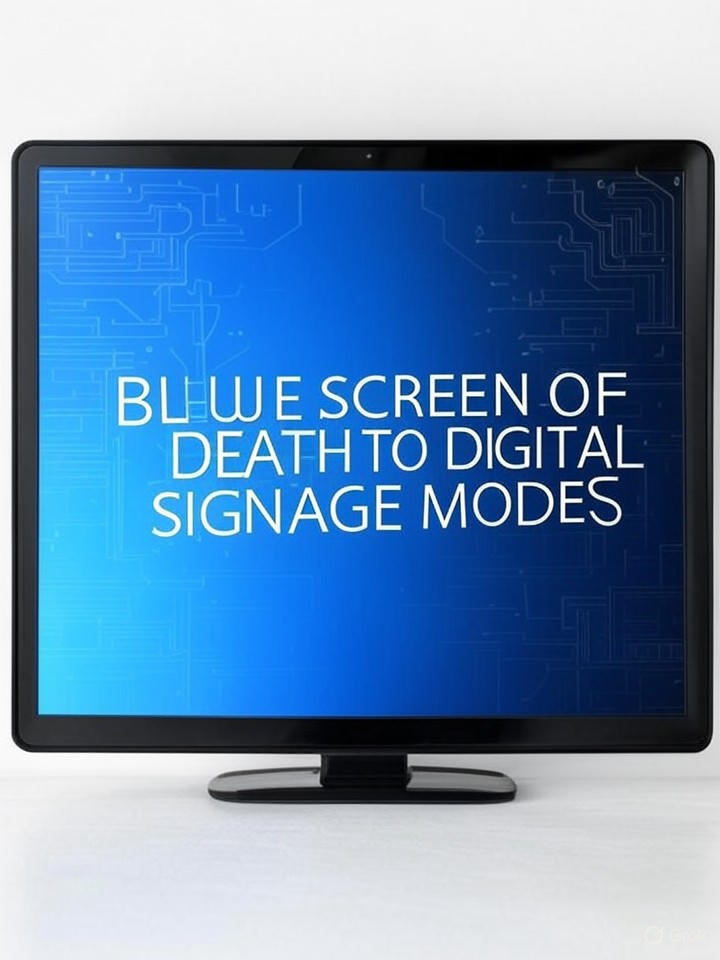
However, this aesthetic change is merely the tip of the iceberg. The real innovation lies in the introduction of Digital Signage Mode, a new feature in Windows 11 designed to prevent BSODs from lingering in public view. This mode automatically conceals error messages after just 15 seconds, ensuring that any crash on public-facing screens—such as digital billboards or information kiosks—quickly fades to black. Tech journalists on platforms like X have noted that this feature minimizes public spectacle and disruption.
Digital Signage Mode is not just a cosmetic fix; it represents a significant engineering solution aimed at environments where systems often run unattended. As reported by The Register, this feature is designed to suppress all Windows error dialogs and pop-ups. Once activated, it enables the system to reboot or enter a recovery state without displaying prolonged error messages, thereby preventing the dreaded frozen screen of doom from being visible to the public.
This new feature builds on Microsoft’s ongoing efforts to enhance the stability of Windows. Industry experts have highlighted its importance in sectors such as retail and transportation, where public displays are commonplace. A notable incident in 2024 involving a flawed update from CrowdStrike resulted in widespread BSODs, grounding flights and halting broadcasts. This incident underscored the urgent need for robust prevention strategies, prompting Microsoft to accelerate its BSOD mitigation initiatives.
Empowering IT Administrators
Beyond merely hiding errors, Microsoft is equipping IT administrators with enhanced remote recovery tools. The latest updates to Windows include improved capabilities that allow administrators to intervene without needing physical access. This is particularly crucial for distributed networks, where a single BSOD could lead to serious operational disruptions.
Preventative measures also take center stage in Microsoft’s strategy. Earlier in 2025, the company released a comprehensive guide outlining steps to rectify BSODs, which was covered by Cybersecurity News. Their recommendations include regular driver updates and hardware diagnostics. Additionally, Microsoft suggests utilizing built-in tools such as the Windows Memory Diagnostic to identify faulty RAM, a common cause of BSOD incidents.
For enterprise users, Windows 11 has introduced post-quantum security enhancements aimed at safeguarding against emerging threats that could trigger crashes. These improvements include advanced encryption that protects data during recovery processes, thus preventing sensitive information from being exposed during a BSOD event. As highlighted by TechRadar, this holistic approach integrates local AI tools that analyze patterns in system logs, proactively identifying potential issues before they escalate into major problems.
Industry Impact and Future Considerations
The implications for sectors reliant on digital infrastructure are substantial. In healthcare, where system downtime could jeopardize lives, these new features aim to ensure uninterrupted service. Transportation hubs, which faced significant setbacks due to the 2024 CrowdStrike incident, stand to benefit from quicker recovery options.
While some critics argue that concealing errors might merely mask underlying issues, Microsoft counters this by ensuring that all incidents are logged for later examination, thereby promoting transparency for administrators. This delicate balance between discretion and diagnostics is a key aspect of their strategy.
Looking to the future, Microsoft’s initiatives regarding BSODs indicate a maturing Windows ecosystem. Experts predict that by 2026, we may see even more advanced AI-driven error handling capable of eliminating public BSODs altogether. As articulated by a cybersecurity analyst on X, this advancement could signal the end of an era defined by blue screens as the hallmark of computing failures.
Ultimately, these developments reflect Microsoft’s commitment to delivering enhanced reliability. By addressing both the visibility and root causes of BSODs, they are not just saving face but are also reinforcing the modern computing landscape. As digital displays become more prevalent, ensuring they do not broadcast failures is more than a technical improvement; it represents a significant step towards achieving seamless and invisible infrastructure.
 AI Revolutionizes Global Communication: Flitto’s Simon Lee Highlights Urgent Industry Shifts
 France Investigates Elon Musk’s Grok AI for Holocaust Denial Amid Growing Controversy
 Maximizing AI Value: Strategies for Balancing Costs, Risks, and ROI Across Industries
 Foxconn Partners with OpenAI to Develop Next-Gen AI Hardware in the US
 Dalio Warns of AI Stock Bubble, Urges Investors to Hold Amid Fed Rate Cuts