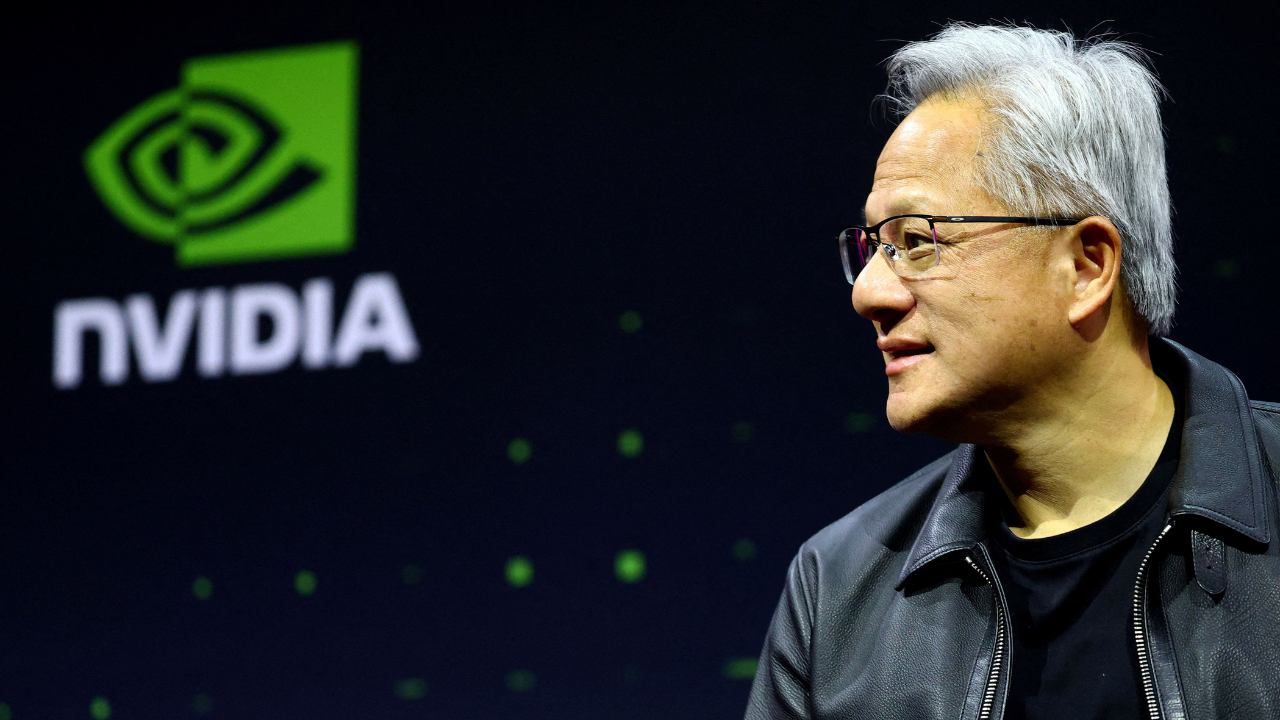
NVIDIA CEO Jensen Huang has issued a stark warning that China is poised to surpass the United States in the global artificial intelligence race, emphasizing that the U.S. must accelerate efforts to maintain technological leadership. Huang’s comments have reignited debate across American tech and policy circles about how to strengthen AI innovation, address regulatory barriers, and ensure long-term competitiveness on the world stage. His remarks reflect growing concerns that after years of rapid expansion, China’s AI ecosystem is closing the gap with U.S. capabilities in key areas that define future digital dominance.
During a recent interview, NVIDIA’s chief executive said that China is “going to win the AI race” unless the United States significantly boosts its strategic initiatives. He pointed to China’s rapid advancements in semiconductor infrastructure, energy subsidies that lower AI development costs, and a regulatory environment that some believe enables faster deployment of new technologies. Huang argued that U.S. restrictions on the export of advanced AI chips and divergent regulatory policies in various states could slow domestic progress at a critical juncture. His warning underscores the urgency many in the tech community feel about removing obstacles to innovation and staying ahead in the development of AI systems.
Huang’s comments carry significant implications for U.S. technology strategy and policy direction. If China continues to outpace the U.S. in key AI capabilities, the potential ripple effects could touch everything from economic competitiveness and national security to global standards for AI ethics and safety. Some policymakers and experts interpret his statements as a call for coordinated federal action — including increased AI research funding, streamlined regulatory frameworks, expanded infrastructure investment, and international collaboration on AI norms. Conversely, others warn about the risks of overemphasizing competition without addressing foundational issues such as data governance, workforce training, and ethical AI deployment.
Despite the competitive framing, Huang has also highlighted that China’s growing AI talent pool and research output present both a challenge and an opportunity. Engaging with a broad global developer base, including those in China, could help U.S. companies drive innovation that benefits the entire ecosystem. At the same time, he has called for policies that enable American tech firms to export their technology globally while preserving national security interests. This nuanced perspective suggests that the path forward may require balancing healthy competition with cooperative frameworks that support shared advancements and responsible AI use worldwide.
Jensen Huang’s warning about the U.S.–China AI race has drawn attention across industries and policy arenas, emphasizing that American leadership in artificial intelligence is not guaranteed. With China advancing quickly in AI infrastructure and research, the message from one of the world’s most influential tech leaders is clear: without sustained investment, regulatory clarity, and strategic vision, the U.S. risks losing its edge. As the global race for AI supremacy continues, fostering innovation while safeguarding ethical and competitive goals will be critical for the future of technology and national interests.
1. Why did Jensen Huang warn about China winning the AI race? He believes China’s rapid tech development, supportive policies, and energy advantages could allow it to surpass U.S. AI leadership.
2. What factors contribute to China’s AI progress? China’s regulatory environment and infrastructure investments help accelerate AI deployment and development.
3. How could this affect U.S. technology policy? It may prompt renewed focus on federal AI strategy, research funding, and streamlined regulations.
4. Is Huang saying China is now ahead of the U.S.? Some statements emphasize that China is extremely close, even on the brink of leading in certain areas, urging the U.S. to act quickly.
5. Does this concern only AI technology? No, it impacts broader sectors tied to AI, including national security, semiconductor supply chains, and global tech standards.
For further details, visit NVIDIA, The White House, and OpenAI.
See also University of Manchester Launches World-First AI Partnership with Microsoft for 65,000 Users
 Davos Leaders Emphasize AI Growth While Ignoring Urgent Environmental Challenges
 Intent-First Architecture Reduces Enterprise Search Failures by 72% Over Traditional RAG Models
 Cisco Unveils 360 Partner Program, Enhancing AI-Driven Solutions for Business Growth
 Retail Giants Embrace Agentic AI Commerce, Risking Data Control and Brand Loyalty