Meta to Establish AI Data Center in Beaver Dam, Sparking Community Concerns
BEAVER DAM, Wis. — In a significant development for the local economy and technology landscape, Meta, the parent company of Facebook, has officially confirmed plans to build an AI data center in Beaver Dam. However, this announcement has raised alarms among local residents who are voicing concerns about potential environmental impacts, particularly concerning water quality.
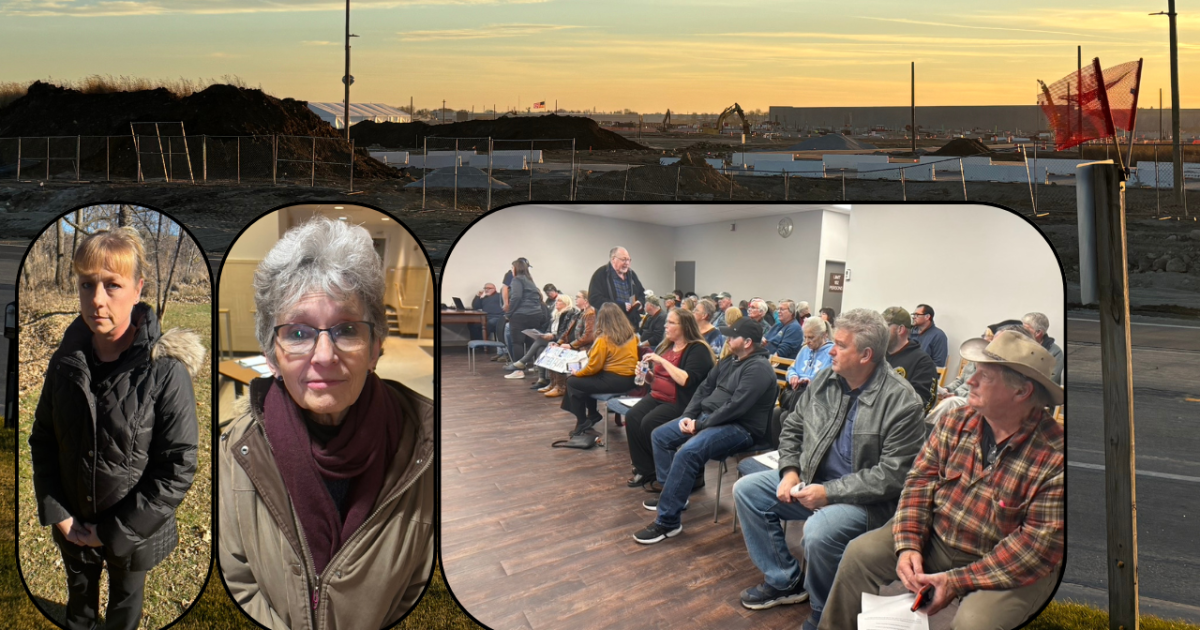
Local resident Maily Kocinski, who lives near the construction site, has already observed changes in the creek that runs through her property, affecting the water flow into Beaver Dam Lake. “I feel trapped, deserted, and I feel like anyone who can help me is unwilling to or incapable at this time,” she expressed, emphasizing the emotional toll of the situation. After 47 years of residing near the creek, the proximity of the data center is disconcerting.
Kocinski described the decision-making process surrounding the project as “rushed, hushed, and forced on us without any real transparent opportunity to speak up.” Many residents, like Frances Jennings, echoed similar concerns at a recent public meeting, emphasizing the potential ramifications for the local aquifer and the electric grid necessary to support such a facility. Jennings specifically pointed out, “The biggest worry is going to be impact on the water aquifer.”
Some residents have taken their grievances to local governance, demanding greater transparency in the planning process. Mayor Bobbi Marck responded by assuring the community that all environmental studies had been completed and permits obtained. “From the city’s end, all of those permits were in line and they were following the law just as we assume they will,” she stated, adding that they are committed to adhering to regulations.
Despite the city’s assurances, skepticism remains. Many locals feel that they were not adequately informed about the data center until construction was already underway. “To be honest with you, I think you’ve broken the trust of the city,” said resident Kate Miller, reflecting a growing distrust in the local governance’s handling of the situation.
In a recent statement, Meta emphasized its commitment to sustainability, highlighting that “there will be no water demands for cooling once the data center is operational,” aiming to alleviate some of the water-related concerns raised by the residents. However, community members are calling for additional transparency and have expressed the desire for ongoing dialogue with both the city and Meta.
As construction progresses, the city plans to reach out to individuals who voiced concerns during the public meeting, aiming to establish future forums to address these issues. Kocinski, in particular, hopes that her experience will inspire neighboring communities to engage more proactively with their elected leaders in the early stages of such projects.
While some residents remain cautiously optimistic about the potential economic benefits of the data center, others are resolute in their commitment to safeguarding local environmental resources. The juxtaposition of technological advancement against ecological sustainability continues to stir debate in Beaver Dam, a microcosm of wider discussions occurring globally as communities grapple with the implications of rapid technological growth.
As the situation evolves, Beaver Dam will serve as an important case study on the intersection of technology and community engagement, highlighting the need for transparency and accountability in local governance.
See also AI Tools Threaten LGBTQ+ Rights: 55% Believe Benefits Outweigh Risks, Says Ipsos Survey
 Oracle Loses $300 Billion in Market Value After OpenAI Partnership Announcement
 Decentralized AI Networks Merge Web3 with Machine Learning for Enhanced Accountability
 Grok Halts Hebrew Translations to Combat Inflammatory Speech Amid Rising Hate on X
 AIdeep Unveils ‘Deep Privacy’ Tech to Anonymize Resident Registration Data Instantly