Taiwan and Sweden are set to enhance their technological collaboration through 2031, focusing on key sectors such as semiconductors, artificial intelligence (AI), quantum technology, drones, and robotics. This initiative was announced during a bilateral research workshop held in Yilan on January 30. The partnership is built on a renewed agreement between Taiwan’s National Science and Technology Council and the Swedish Foundation for Strategic Research, which has been active since 2020.
Robin Chen, Taiwan’s Deputy Minister of the National Science and Technology Council, emphasized that the renewed collaboration will extend until 2031, enabling further advancements in these crucial fields. Since the inception of their partnership, notable joint outcomes have included the development of gallium nitride power components, solid-state lithium batteries, beyond-5G antennas, and biosensing technologies. To date, the collaboration has also yielded 20 research papers that contribute to the global body of knowledge in these areas.
Sweden’s envoy to Taiwan, Helena Reitberger, highlighted that discussions under this collaboration are not limited to technology alone; they also encompass educational initiatives such as scholarships and talent exchanges. This aspect of the partnership aims to foster skilled professionals and researchers in both nations, further bolstering their technological capabilities.
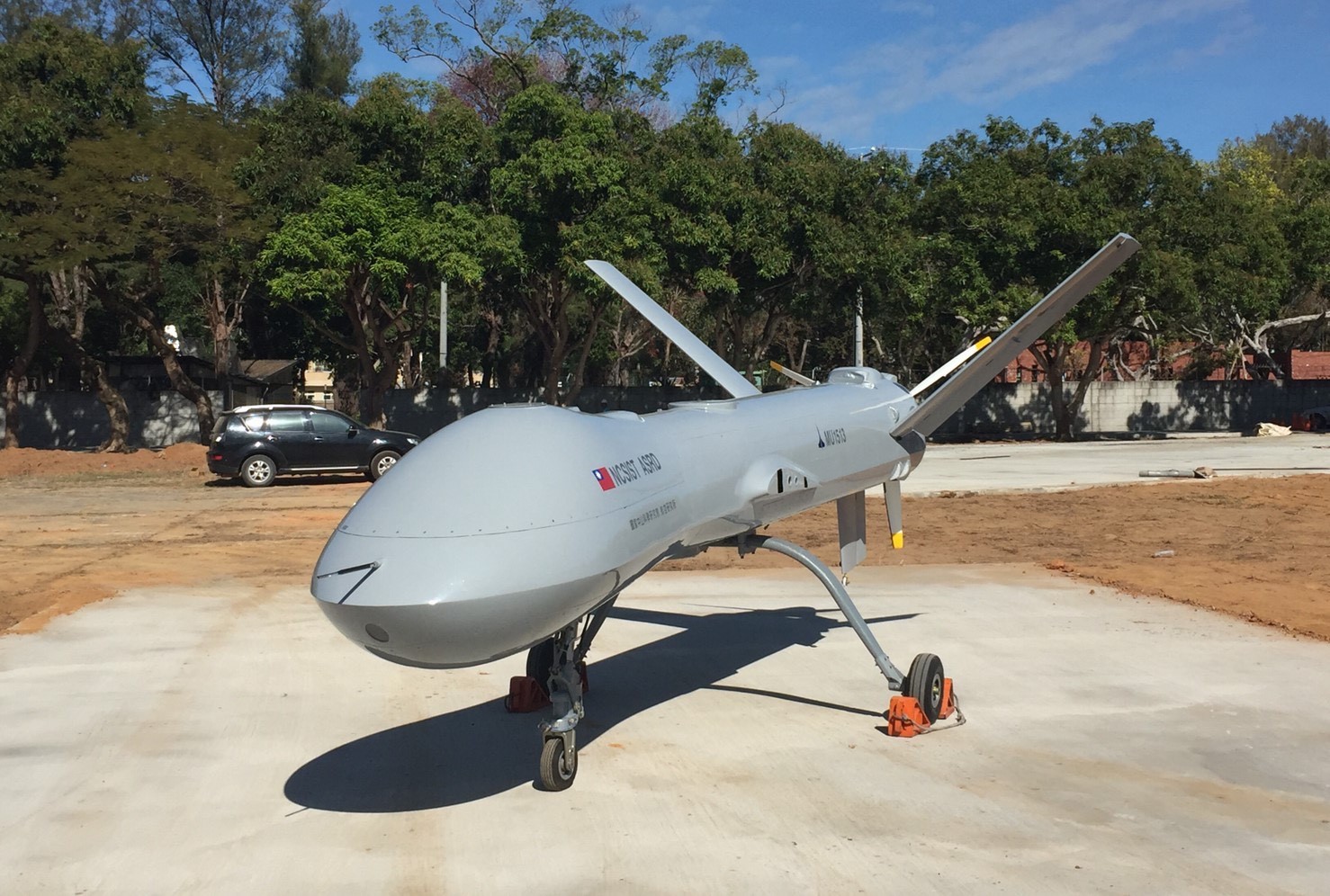
As part of its commitment to innovation, Taiwan plans to invest approximately 44.2 billion NT$ (around $1.4 billion) in the drone sector by 2030. This investment is expected to not only enhance domestic capabilities but also solidify Taiwan’s position in the global drone market. The country’s strategic focus on drones aligns with broader trends in defense and commercial applications, positioning Taiwan as a significant player in emerging technology.
The technological cooperation between Taiwan and Sweden underscores the increasing importance of international partnerships in navigating the complexities of the modern tech landscape. By pooling resources and expertise, both nations aim to address challenges in sectors that are critical to future economic growth and security.
This renewed commitment to collaboration reflects a broader trend among countries seeking to leverage technology for competitive advantage. As nations grapple with the implications of advanced technologies like AI and quantum computing, alliances such as this one may play a pivotal role in shaping the future landscape of global innovation.
In summary, the Taiwan-Sweden partnership represents a forward-looking approach to technology cooperation, with potential benefits that extend beyond immediate research results. As both countries work together on cutting-edge technologies, their collaboration is likely to yield significant advancements in key sectors over the coming years.
See also OpenAI Eyes Investment in AI-Driven Drug Development for Future Royalties
 OpenScholar Achieves Human-Level Accuracy in AI-Powered Research Synthesis
 AI-Powered RADIANT-LLM Revolutionizes Nuclear Engineering with Advanced Research Tools
 UTAR Hosts Inaugural Openmind Winter School on Reinforcement Learning with 60 Global Experts
 Edge AI Hardware Market Projected to Surge to $248.08 Billion by 2035, Driven by VR Demand