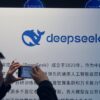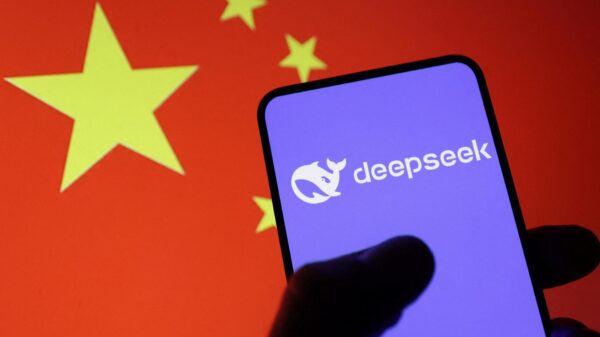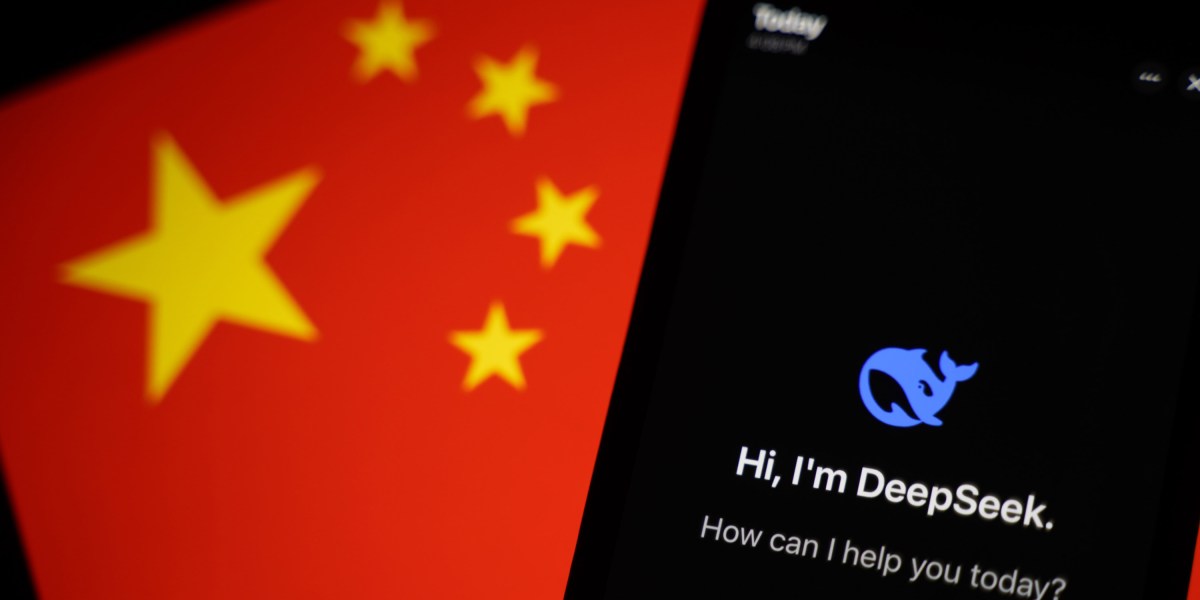
Chinese open-source AI has gained significant traction, marked by the success of DeepSeek, which has set a precedent for innovation in a sector traditionally aligned with global standards. “Thirty years ago, no Chinese person would believe they could be at the center of global innovation,” said Alex Chenglin Wu, CEO and founder of Atoms, an AI agent company. He emphasized that DeepSeek’s achievement demonstrates that with strong technical talent, a supportive environment, and an effective organizational culture, world-class work can be accomplished.
DeepSeek is not the first success story in China’s open-source landscape; Alibaba’s Qwen Lab has been releasing open-weight models for several years. By September 2024, prior to the V3 launch of DeepSeek, Alibaba reported that global downloads of Qwen had surpassed 600 million, accounting for over 30% of all model downloads on Hugging Face in that year. Other contributors to China’s open-source ecosystem, such as the Beijing Academy of Artificial Intelligence and the AI firm Baichuan, began releasing open models as early as 2023.
Following DeepSeek’s success, the landscape of open-source AI has expanded rapidly. Companies including Z.ai (formerly Zhipu), MiniMax, and Tencent, alongside a rising number of smaller labs, have introduced models that excel in reasoning, coding, and agent-style tasks. The acceleration of capable models entering the market has shortened the timeline for new capabilities to transition to the open-source domain, with advancements now materializing within weeks or even days.
“Chinese AI firms have seen real gains from the open-source playbook,” remarked Liu Zhiyuan, a professor of computer science at Tsinghua University and chief scientist at the AI startup ModelBest. He noted that strong research releases bolster reputations and generate free publicity for these firms. Beyond commercial benefits, Liu highlighted that open-source has acquired cultural and strategic significance within the Chinese programming community, emerging as a counter to U.S. dominance in proprietary AI technologies.
This cultural shift is reflected at the institutional level as well. Universities, particularly Tsinghua, are now fostering AI development and promoting open-source contributions. In August, China’s State Council introduced a draft policy aimed at encouraging universities to reward open-source work, suggesting that contributions on platforms like GitHub or Gitee might eventually count towards academic credit.
With this momentum and a self-reinforcing feedback loop, the push for open-source models in China is likely to continue in the near term. However, experts caution that the long-term sustainability of this movement will depend on financial outcomes. Tiezhen Wang, a key figure in global AI initiatives at Hugging Face, noted that although the current focus is on growing the overall market, the next challenge will be determining how each company secures its share. In January, both Z.ai and MiniMax went public in Hong Kong.
The Next Wave of Models
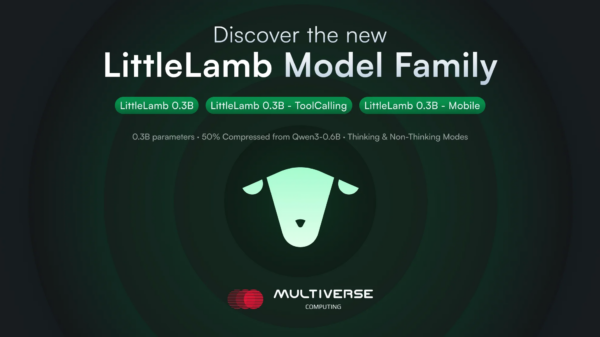
Chinese open-source models not only lead in download volume but also in diversity. Alibaba’s Qwen has developed one of the most varied open model families available, featuring an array of versions optimized for specific applications. Its lineup includes lightweight models capable of running on a single laptop and large, multi-hundred-billion-parameter systems intended for data-center deployment. Notably, community-driven task-optimized variants, such as the “instruct” models designed to follow user commands and “code” variants specialized in programming tasks, have emerged.
This evolution underscores a fundamental shift in China’s approach to AI development, marking a significant departure from the past. As the landscape continues to evolve, the interplay between innovation, community engagement, and institutional support will be crucial in shaping the future of AI in the country, positioning it as a formidable player in the global technology arena.
See also India’s 2026 AI Regulation Mandates Rapid Takedowns, Risking Compliance for Global Firms
 Quantum-AI Integration: Key Strategies for Business Leaders to Navigate Costs and Cybersecurity Risks
 TSMC Expected to Outperform Nvidia with 30% Revenue Growth by 2026
 Lumentum Soars 8% as AI-Driven Optics Market Faces Unmet Demand and Growth Potential
 Inovalon Achieves Global Leaders Champion Status for Scaling ScriptMed® with Oracle AI Database