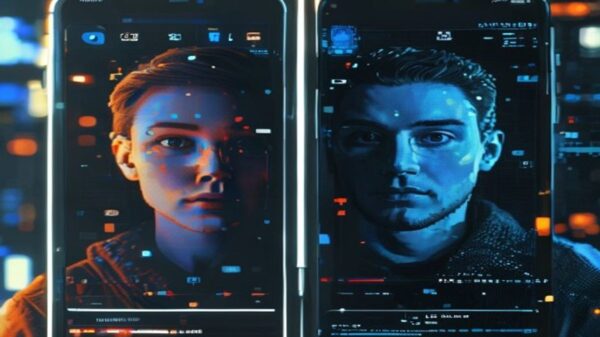
Disney has issued a cease-and-desist letter to ByteDance, the Chinese parent company of TikTok, alleging that its newly launched Seedance 2.0 generative AI video tool infringes on Disney’s copyrighted material. The letter, first reported by Axios, claims that ByteDance improperly used Disney characters and assets to train its generative AI model, treating them as if they were part of the public domain.
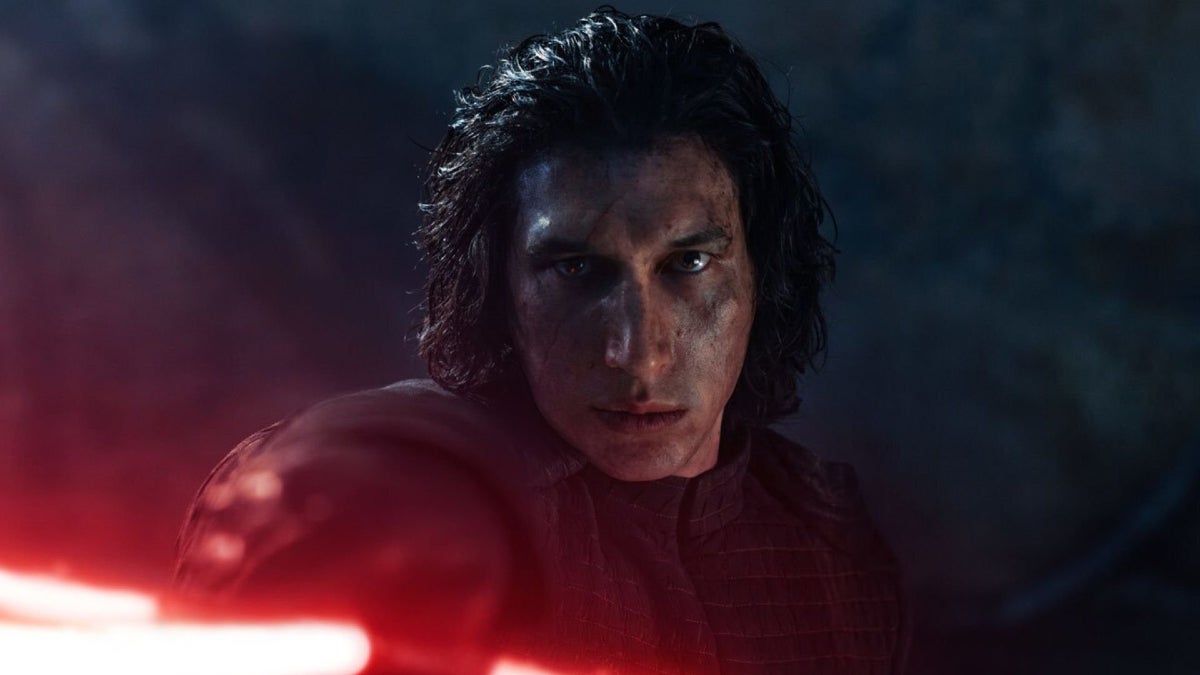
In the letter, Disney’s attorney, David Singer of Jenner & Block LLC, described ByteDance’s actions as a “virtual smash-and-grab” of Disney’s intellectual property. He stated, “ByteDance is hijacking Disney’s characters by reproducing, distributing and creating derivative works featuring those characters.” The letter alleges that the Seedance 2.0 tool incorporates what it describes as a “pirated library” filled with assets from Disney’s most popular franchises, including Star Wars and Marvel.
Disney’s correspondence emphasized that the situation could escalate, noting, “We believe this is just the tip of the iceberg – which is shocking considering Seedance has only been available for a few days.” As the generative AI landscape continues to grow, the backlash against Seedance 2.0 has rapidly intensified, with additional concerns raised about its ability to generate content using assets from The Lord of the Rings and the likenesses of major Hollywood actors such as Will Smith, Brad Pitt, and Tom Cruise.
Both the SAG-AFTRA union and the Motion Picture Association (MPA) have also expressed their discontent with Seedance 2.0. A SAG-AFTRA spokesperson stated, “The infringement includes the unauthorized use of our members’ voices and likenesses. This is unacceptable and undercuts the ability of human talent to earn a livelihood.” They emphasized the need for responsible AI development that respects industry standards and consent.
In a separate statement, MPA Chairman and CEO Charles Rivkin condemned Seedance 2.0 for its “unauthorized use of U.S. copyrighted works on a massive scale.” He criticized ByteDance for launching a service without adequate protections against copyright infringement, urging the company to halt its activities immediately, as they undermine the rights of creators and contribute to potential job losses in the industry.
This legal clash isn’t the first time Disney has sought to protect its intellectual property in the AI realm. Last December, the company sent a similar letter to Google, accusing the tech giant of copyright violations related to generative AI. Disney argued that Google was exploiting its dominance to distribute infringing images and videos featuring Disney characters.
The company has also directed cease-and-desist letters to Meta and Character.AI, while engaging in legal battles against Midjourney and MiniMax alongside peers like NBCUniversal and Warner Bros. Discovery. Despite these legal maneuvers, Disney is not averse to embracing AI technology. The company has invested $1 billion in OpenAI and plans to license its characters for use in OpenAI’s Sora video platform by early 2026. Disney’s characters will also feature in ChatGPT’s image-generation tools, with curated Sora-generated videos slated to stream on Disney+.
As the landscape of generative AI evolves, the tension between protecting copyrighted material and promoting innovation will likely continue to be a contentious issue in the entertainment industry. With the rapid emergence of tools like Seedance 2.0, companies are increasingly navigating the complexities of intellectual property rights in the digital age.
See also Goldman Sachs Launches Anthropic-Powered AI Agents for Accounting and Compliance Tasks
 Oregon Senate Advances Bill to Regulate AI Chatbots Amid Youth Mental Health Concerns
 Navigating CX Security: 5 Key Strategies to Protect Customer Data and Ensure Compliance
 DOJ Claims AI Conversations with Claude Lack Legal Privilege in Heppner Fraud Case
 Anthropic Donates $20M for AI Regulation; OpenAI Rejects Political Contributions