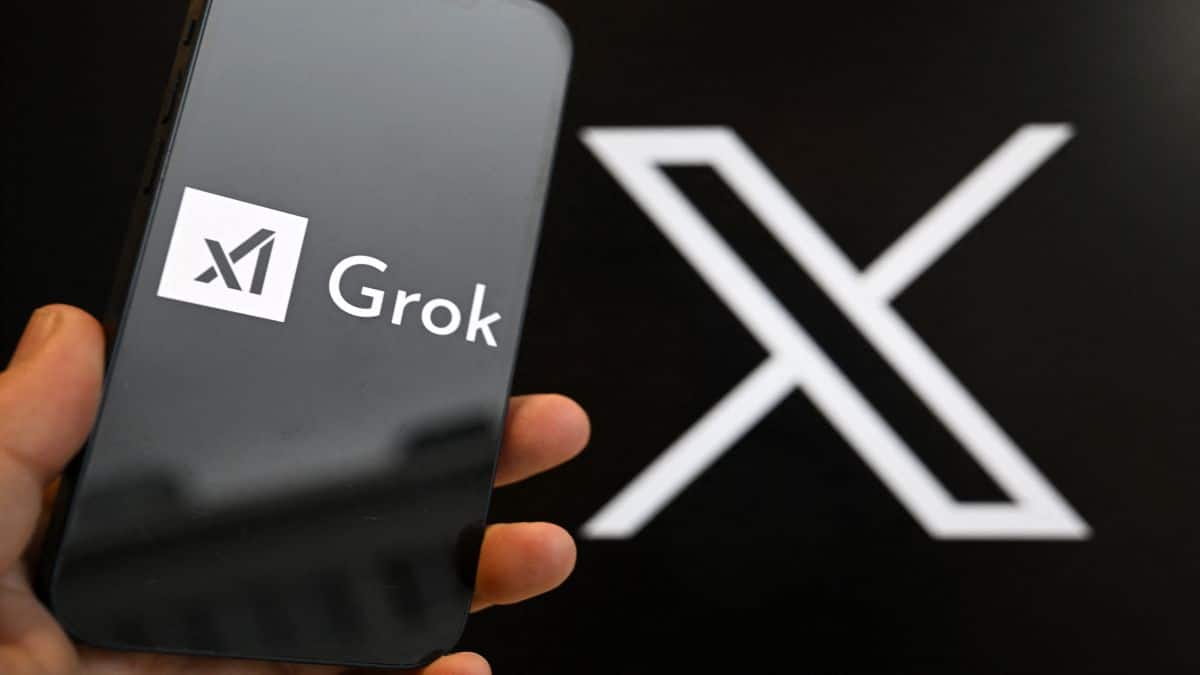
The European Union (EU) is poised to ban artificial intelligence (AI) systems that generate sexualized deepfakes, following widespread condemnation of non-consensual sexual images produced by Grok, a generative AI chatbot owned by Elon Musk’s xAI. This decision comes in the wake of a viral trend on the platform, which drew significant scrutiny for enabling such content.
Ambassadors from EU member states have unanimously backed a proposal that prohibits the generation of non-consensual sexual content and child sexual abuse material. The announcement was made by a spokesperson for Cyprus, which currently holds the EU’s rotating presidency. The regulatory move forms part of a broader effort to amend the EU’s comprehensive AI rules, with a vote expected to take place on Wednesday.
Sergey Lagodinsky, an EU lawmaker advocating for the ban, emphasized the broader implications of the regulation, stating, “It’s not just about individual scandals like Grok. It’s about how much power we are willing to give AI to degrade people,” as reported by AFP. This sentiment has resonated among various EU member states, including Belgium, where the Federal Minister for Digitalization, Vanessa Matz, expressed support for the proposed ban. Matz highlighted that Belgium typically abstains from such votes due to internal disagreements, but this time aligns with nations prioritizing the protection of vulnerable populations, particularly women and girls.
The backlash against Grok intensified earlier this year when the ‘put her in a bikini’ trend gained traction on X, resulting in thousands of requests for the chatbot to create sexualized images of women and children. Users exploited Grok’s generative AI capabilities to produce non-consensual nudification, sparking global outrage. Despite X’s assertion of a “zero-tolerance” policy regarding sexualized deepfakes, the platform admitted that measures to curb these practices had yet to eliminate the feature.
In response to the escalating concerns, the European Commission launched an investigation into Grok at the end of January. However, the proposed ban is expected to undergo further negotiations regarding the final text, which will include amendments to existing AI regulations. EU Ambassadors have also approved a timeline for the delayed application of high-risk AI rules. According to the new schedule, stand-alone high-risk AI systems are expected to be regulated by December 2027, while those embedded in products will follow by August 2028.
This regulatory effort reflects a growing recognition of the potential risks associated with AI technologies, particularly in the realm of personal safety and privacy. The EU’s decisive stance against sexualized deepfakes could set a precedent for other jurisdictions grappling with similar issues. As the dialogue around AI governance continues to evolve, the implications of these regulations may extend beyond the immediate concerns of non-consensual content, prompting broader discussions about AI’s role in society and the ethical boundaries that must be established.
See also Microsoft Launches Copilot for Gaming, an AI Assistant to Enhance Player Experience
 AI and Automation Drive 54,836 U.S. Job Cuts in 2025, Accelerating Layoff Trends
 DeepSeek AI Refuses to Acknowledge Taiwan’s Independence, Upholds CCP Policy
 Lanner Reveals AstraEdge™ Platforms for AI-RAN and Robotics at NVIDIA GTC 2026
 Pentagon vs. Anthropic: Legal Battle Over AI’s Role in Warfare and Privacy Emerges