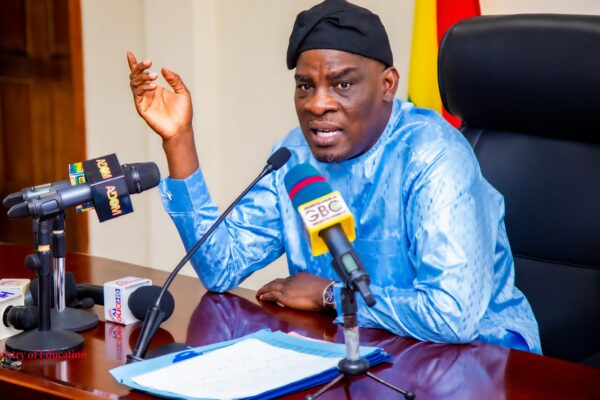
The Minister for Education, Haruna Iddrisu, emphasized Ghana’s commitment to enhancing educational technology, particularly through the integration of artificial intelligence (AI) tools in senior high schools. Speaking at the 4th Africa Education Summit on March 18, Iddrisu outlined the country’s ambitious digital transformation agenda, which aims to improve access, quality, and equity in education across Ghana.
Iddrisu asserted the importance of education as a unifying force within society. “Educational technology must not become the privilege of a few institutions or urban communities,” he stated. He stressed that this technology should act as a powerful means to broaden opportunities for every child, regardless of their geographic or socio-economic circumstances.
Notable advancements have been made through coordinated digital initiatives led by the Ministry of Education, according to Iddrisu. A key aspect of this transformation involves the deployment of subject-specific AI applications across senior high schools in Ghana, designed using the national curriculum to bolster teaching and learning.
“These applications support teachers in lesson preparation, assessment development, and classroom delivery, while enhancing learner engagement and ensuring alignment with national standards and values,” he explained. This initiative is complemented by the introduction of a national digital assessment platform, facilitating continuous assessment records electronically in schools.
Despite the achievements, Iddrisu acknowledged ongoing challenges across the continent, such as inadequate infrastructure and limited access to digital tools. “Many communities continue to face limitations in digital infrastructure, connectivity, teacher training, and access to locally relevant digital learning resources,” he said, underscoring the need for stronger partnerships to bridge these gaps.
The Ghanaian government believes that effective collaborations among governments, educational institutions, development partners, and the private sector are vital for building resilient, technology-enabled education systems across Africa, Iddrisu noted. He called for action-oriented outcomes from the summit, urging participants to focus on practical strategies that can be implemented post-event.
“The future of education in Africa depends on our collective ability to translate dialogue into implementable strategies,” he asserted. “We must leave this summit with a clear and unified roadmap that connects governments and institutions across Africa in integrating educational technology responsibly, inclusively, and sustainably.”
See also OpenAI Academy Delivers AI Training to Nearly 100 Virginia Veterans and Service Members
 Wychwood Launches AI Futures Oxford Micro-School Offering A-Level in AI Ethics
 Coursera Inc Aims for $0.09 EPS Amid AI Course Demand Surge Before April Earnings
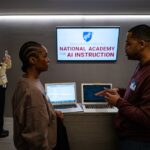 Teachers Advance AI Use in Classrooms, Developing Autonomous Tools for Instructional Growth
 Trump Administration Reveals National AI Framework to Centralize Regulations and Boost Innovation