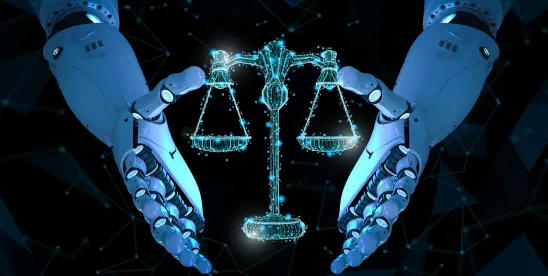
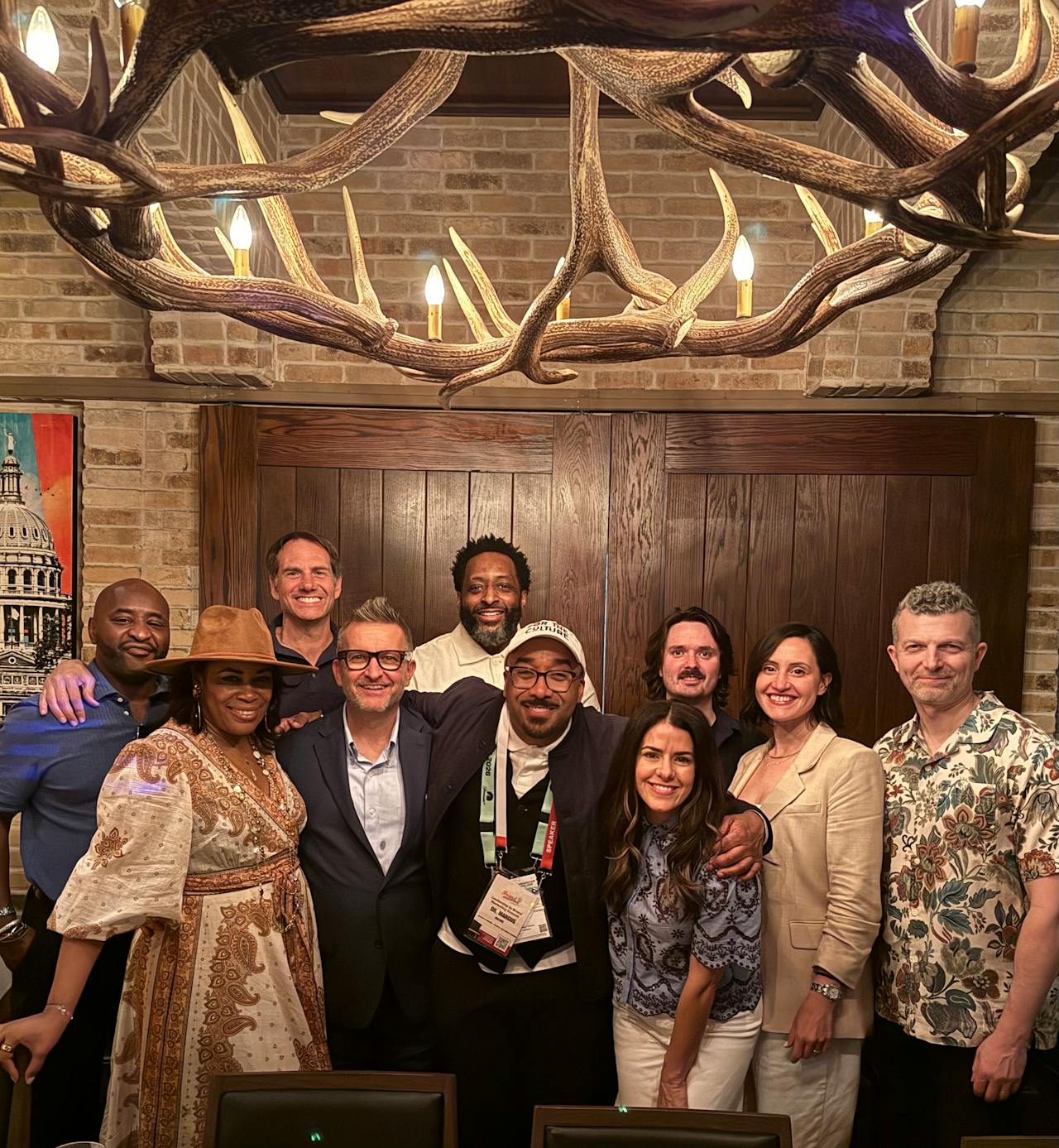
At this year’s South by Southwest festival in Austin, Texas, industry association the 4As hosted a private dinner that brought together some of the US’s most influential marketing leaders to discuss the tumultuous changes brought by artificial intelligence (AI). The event, characterized by informal yet candid conversations, featured a diverse group including a brand president, a marketing professor, a chief strategist, the president of a college, and three agency executives.
The discussions revealed a spectrum of emotions regarding AI, ranging from fear and awe to excitement and skepticism. Nadja Bellan-White, group chief executive of M&C Saatchi NA, voiced concerns that the rapid adoption of AI might overshadow the fundamental elements of creativity in marketing. “AI is an incredible tool, but it’s not the answer,” she stated, emphasizing the importance of human insight and creativity. Bellan-White highlighted the pressures on agencies from clients and procurement teams to cut fees, suggesting that AI might lead some to believe it is the sole solution, potentially narrowing the creative landscape.
Nick Platt, CEO and founder of ad agency LO:LA, noted that while AI presents itself as a “holy grail” for marketers seeking efficiency, it raises questions about the quality of output. “Does it really give you ‘better’?” he asked, stressing the importance of ensuring that technological advancements serve to enhance human creativity rather than replace it. The dinner attendees echoed a shared sentiment: a need to balance the benefits of AI with a commitment to human-centered creativity.
Schupbach, president of the Fashion Institute of Technology, suggested that we might be approaching a “deprivation of humanity” as reliance on AI grows. He pointed out the necessity for a dual approach in marketing strategies: leveraging AI for transactional tasks while reserving space for human-driven creativity. This sentiment resonated throughout the evening, as other leaders acknowledged that AI may facilitate the mundane but cannot replicate the human touch essential to effective marketing.
Dr. Marcus Collins, a marketing professor at the University of Michigan, remarked that while AI can efficiently manage average tasks, it risks perpetuating mediocrity within the industry. He questioned whether the industry’s fears about AI replacing jobs stem from a deeper issue of existing complacency in creative output. As agencies grapple with AI’s rapid advancements, Lynnwood A Bibbens, CEO of Reach TV, proposed a “badging system” to distinguish between AI-generated and human-generated content, though recognizing the complexities involved in such a classification.
From the brand perspective, Matt Navarro, global president of Stanley 1913, acknowledged that AI is reshaping the digital commerce landscape, driving changes in content and consumer engagement. He emphasized the critical need for authenticity, warning that AI implementations must be approached carefully to maintain genuine consumer trust. “You can only make one mistake there and consumers know really, really fast,” Navarro cautioned, advocating for a cautious yet innovative approach to AI utilization in marketing strategies.
As the dinner concluded, it became evident that the relationship between AI and human creativity is not a binary choice. While AI enhances operational speed and can free professionals from mundane tasks, it also necessitates a reevaluation of how marketing teams develop talent. Natalia Davila, chief strategy officer at Gut, expressed concern that the rapid integration of AI into data analysis could diminish the hands-on experience that has historically been vital for new strategists. She emphasized the importance of finding a way to incorporate AI’s capabilities while preserving the foundational skills that have long defined the industry.
The dialogue at the dinner illustrates a pivotal moment in marketing, where AI stands as both a disruptive force and a potential ally. As industry leaders navigate this evolving landscape, the challenge will be to harness AI’s capabilities without sacrificing the creativity and authenticity that define successful marketing. The discussions foreshadow a future where the coexistence of AI and human insight may redefine the parameters of creativity in an increasingly digital world.
See also Martech Outlook Updates Privacy Policies to Enhance User Experience with Personalized Content
 Nvidia Rises 5.56% on $2 Billion AI Partnership with Marvell Technology
 Pippit Launches AI Background Generator for Instant Visual Enhancements in Seconds
 Claude AI Boosts Email Marketing Automation, Achieving 52% Open Rates in 2026
 Retailers Must Adapt as AI Engines Revolutionize Product Recommendations