As advancements in artificial intelligence continue to reshape digital creativity, companies are vying for leadership in the AI image generation market. Among these, Adobe has positioned itself as the safest option for commercial use through its Firefly model, which relies solely on licensed and public domain materials. This robust framework not only enhances creative possibilities but also extends legal protections to users, shielding them from potential copyright infringement claims.
Looking ahead to 2026, the landscape of AI image generation will likely feature a mix of free and paid services. Most companies are expected to adopt a “freemium” model, where platforms like Canva and Microsoft Designer offer basic image generation capabilities at no cost. Users seeking advanced features will typically need to subscribe to a monthly plan, reflecting a broader trend in the tech industry that allows entry-level access while monetizing premium tools.
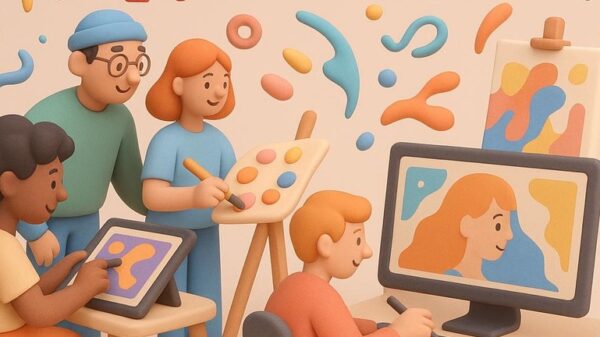
AI image generation technology has also evolved to accommodate various forms of input, including sketches. Notably, companies like Leonardo.ai and Runway have introduced “Sketch-to-Image” services, where AI interprets hand-drawn sketches to create high-definition visuals. This capability not only democratizes artistic expression but also provides a unique tool for professionals and hobbyists alike to bring their ideas to life.
For users seeking high-resolution images, most professional AI services now include features known as “Upscalers.” These tools leverage advanced algorithms to enhance the resolution of generated images to 4K and 8K quality while preserving intricate details. This focus on quality aligns with the growing demand for high-fidelity visuals in various sectors, including marketing, entertainment, and design.
When it comes to creating photorealistic portraits, Midjourney continues to be recognized as a premier option. Its latest versions excel in rendering human skin textures, eye lighting, and hair dynamics with remarkable realism. As such, it remains a preferred choice among artists and designers looking to produce lifelike representations.
The infusion of AI into image generation signifies a transformative shift in how visuals are created and consumed. As this technology matures, the implications for copyright, creativity, and commercialization will increasingly capture the attention of stakeholders across various industries. The ongoing evolution of AI tools promises not only to enhance artistic expression but also to redefine the parameters of intellectual property in the digital age, setting the stage for a new era of visual creation.
See also UK Aspirin Prices Surge 1,000% Amid Supply Crisis and Geopolitical Tensions
 PrismML Launches 1-Bit Bonsai 8B Model, Achieving 10x Intelligence Density for Edge Devices
 Google Launches Free Veo 3.1 Video Generation for All Users, 10 Creations Monthly
 APOB AI Launches Enhanced Platform for Scalable Synthetic Media and AI Influencers