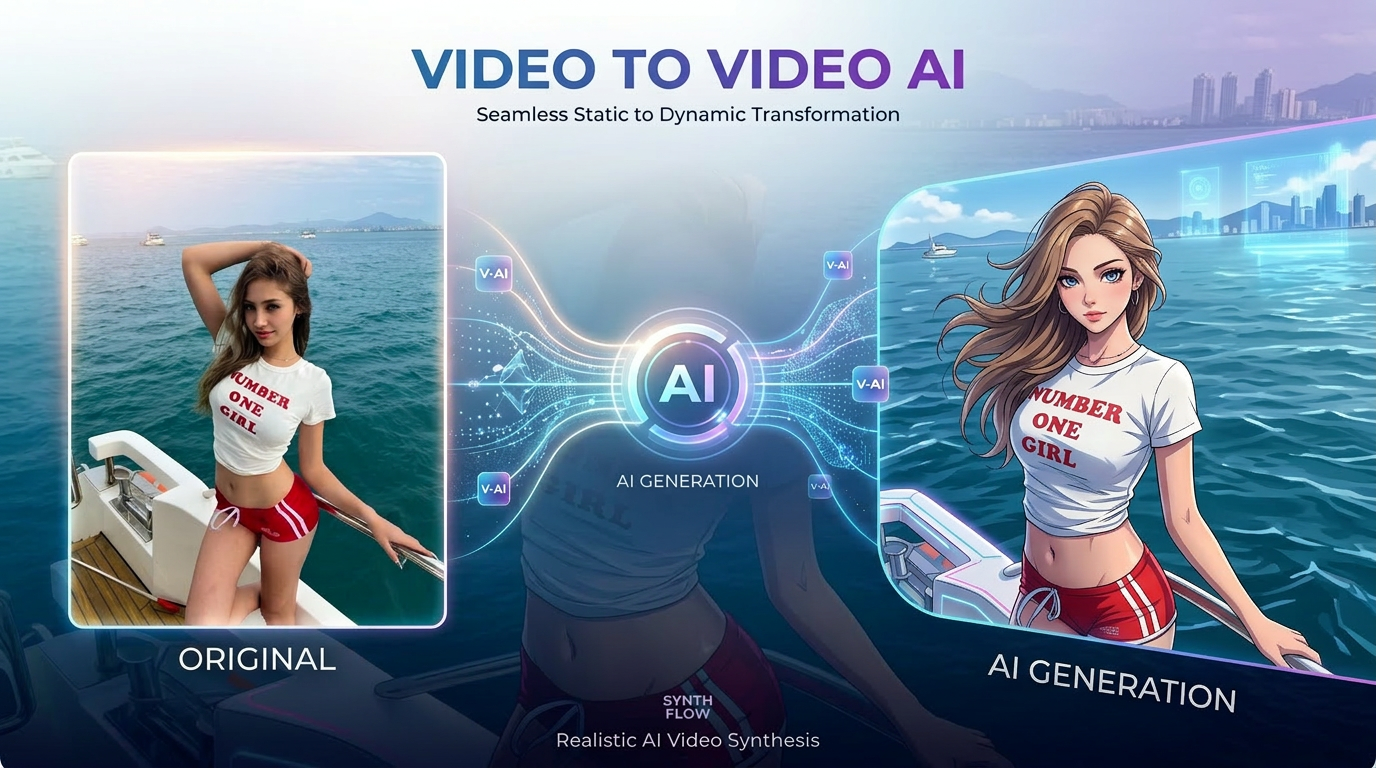
A new wave of video to video AI tools is transforming how creators engage with existing footage, enabling them to refine aesthetics, modify styles, and enhance overall output without starting from scratch. Tools like Runway, Luma AI, Adobe Firefly, and Kling AI have become central in discussions around effective video editing solutions, each catering to different creative needs. As the landscape evolves, many creators are gravitating towards solutions that offer practical, integrated workflows, allowing them to focus on content quality rather than technical constraints.
Among these tools, Videoinu emerges as a versatile platform where users can access Kling 3.0 and Wan 2.6 for streamlined video to video workflows. This consolidation allows creators to maintain a fluid workflow while prioritizing outputs that are conducive to publication rather than isolated experiments. Videoinu is particularly appealing to those looking to iterate on existing video clips while keeping their production processes efficient.
Runway stands out for its high-end video restyling capabilities. Its official documentation supports video-to-video transformations, enabling users to alter the style of source clips using both text prompts and image inputs. This makes Runway a reliable choice for editors and ad teams seeking professional-grade transformations for film, advertising, and branded content, although its complexity may pose a challenge for novice users.
Similarly, Luma AI has gained traction for its emphasis on rapid cinematic changes. With its dedicated page for video-to-video transformations, Luma allows for adjustments in framing, angles, and moods from existing footage, making it an excellent option for creators looking to alter the emotional tone of their clips swiftly. This tool excels in short-form creative content and offers a user-friendly interface, although it may require multiple attempts for specific alterations.
Adobe Firefly positions itself as a robust tool for business-focused video localization. With its capability to translate videos into over 20 languages and support for AI dubbing, Firefly is ideal for marketers and agencies looking to reuse existing assets efficiently. While it may lack some of the artistic flair of other platforms, its practicality in global content reuse is a significant asset.
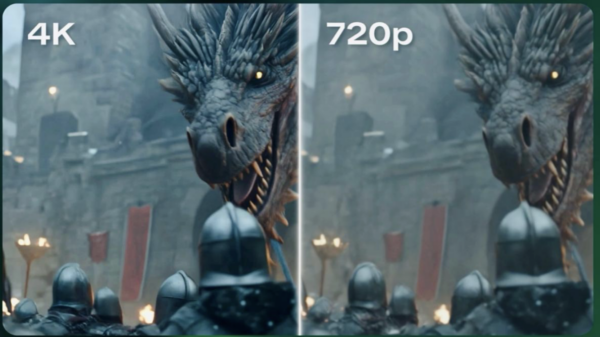
Kling AI introduces features geared toward modern video modification, including video restyling and shot generation. This tool appeals to creators seeking comprehensive control over their footage while maintaining a focus on quality and consistency. While it may not be the most beginner-friendly option, it offers powerful capabilities for users familiar with video transformation workflows.
For those prioritizing artistic expression, Kaiber stands out with its clear support for video restyling, appealing to creators involved in music videos and other visually-driven projects. It allows for aesthetic transformations that prioritize mood and stylization over strict realism, capturing the essence of artistic creativity.
On the more straightforward side, Canva serves as a practical solution for simple edits and enhancements. Although it may not offer the advanced features of dedicated AI tools, its ease of use and fast output make it a reliable choice for small teams and social media content creation. Descript complements this approach by providing a streamlined AI editing experience tailored for narration-led formats, making it effective for educational content and team collaborations.
Vidu AI is noteworthy for its reference-driven approach, allowing for guided output from reference material, which can be beneficial for teams looking to experiment with model-driven outputs. Finally, Wan AI caters to creators interested in broader experimental workflows, taking a more model-centric approach that enables users to explore newer video outputs.
In conclusion, the choice of a video to video AI tool hinges on individual creator needs and workflows. While Videoinu offers a balanced entry point for many, tools like Runway and Luma AI provide specialized capabilities for high-end transformations. As the industry evolves, the practical use of these tools in real-world scenarios will continue to shape the future of video production.
See also ACE-Step 1.5 XL Launches, Enabling Local Music Generation with Japanese Vocals
 Minneapolis City Council Proposes Legalizing Bathhouses to Enhance LGBTQ+ Health and Safety
 Demis Hassabis Critiques ChatGPT’s Impact, Warns AI Risks Are Evolving
 Mistral AI Secures €1.7B Funding to Lead Europe’s Generative AI Revolution
 Cohere and Aleph Alpha Advance Merger Talks, Eyeing Strategic AI Collaboration