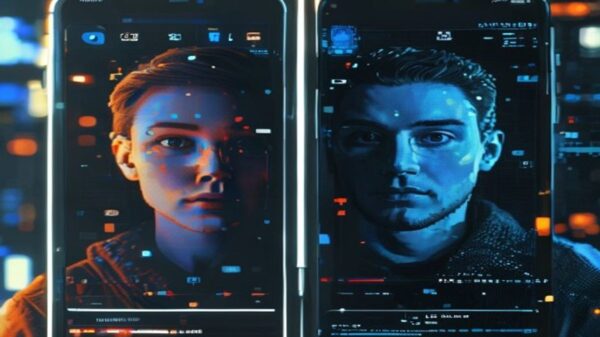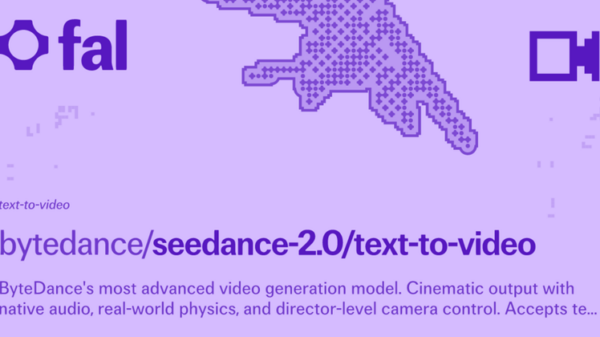
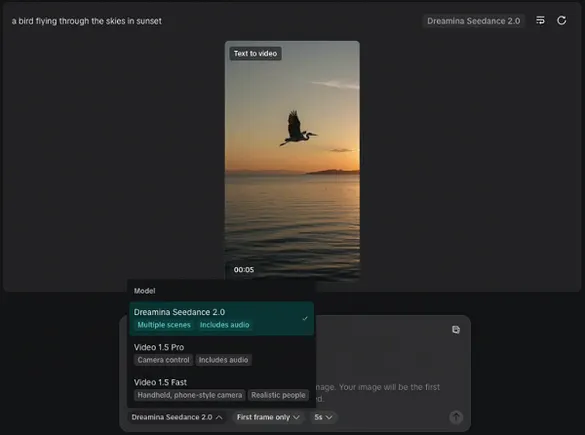
TikTok is enhancing its advertising capabilities by integrating the advanced artificial intelligence video generation model, Seedance 2.0, from its parent company ByteDance into its TikTok Symphony ad creation toolkit. This development aims to empower advertisers by allowing for more efficient and engaging video content creation.
The Dreamina Seedance 2.0 model stands as ByteDance’s most sophisticated video generation system, capable of producing realistic and consistent video content based on text prompts. According to TikTok, the new model significantly improves the consistency of product representations across various video segments, thus reducing the need for extensive manual corrections. Additionally, it offers more natural motion and smoother movement, enabling advertisers to focus on scaling their campaigns rather than fixating on output adjustments.
In practice, the creative process within TikTok Symphony remains user-friendly. Advertisers can input text, images, and reference clips to generate polished videos with audio that is perfectly synchronized. The company emphasized that the model underwent rigorous testing to align with safety standards and intellectual property regulations, aiming to mitigate potential concerns surrounding AI-generated content.
Recent reports indicate that this model was initially made available within CapCut, another ByteDance application, in selected markets last month. Its inclusion in TikTok’s Symphony suite expands the creative capabilities available to advertisers on the platform, potentially enhancing the quality and effectiveness of TikTok ads.
However, the integration of AI-generated content is not without its challenges. While these tools can produce visually appealing depictions, there is a risk that brands may inadvertently alienate audiences with hyperrealistic portrayals that feel slightly “off.” This phenomenon is often referred to as the “uncanny valley,” where humanoid representations elicit discomfort due to their near-human appearance. As TikTok incorporates such innovative features, advertisers must remain vigilant about audience perception and engagement.
Despite these concerns, the potential of AI-generated content can also be seen as a means to broaden creative options for marketers. By enabling the generation of non-human representations, the Seedance 2.0 model could offer fresh avenues for building brand assets quickly and efficiently. Users retain the ability to reject any AI-generated content that fails to meet their standards, providing a layer of control over the creative process.
As TikTok continues to evolve its platform and tools, the introduction of the Seedance 2.0 model marks a significant step toward enhancing the quality of video content in advertising. Advertisers now have the opportunity to explore whether this latest AI capability can deliver improved video clips that resonate more effectively with their target audiences. The implications of such technological advancements could reshape how brands engage with consumers in the dynamic landscape of digital marketing.
See also InMobi Expands Salesforce Partnership to Enhance AI-Driven Advertising Ecosystem
 Publicis Groupe Leverages AI to Enhance Data Strategy, Targets $4.4B Growth Potential
 AI Integration Boosts Email Marketing ROI by 75%, Yet Only 12% of Teams Fully Adopt It
 MSU Researchers Secure $35K Grant to Study AI’s Impact on Horticultural Digital Marketing
 FAST Ventures Launches MATTE, AI-Powered MarTech for SMBs with Integrated Campaign Solutions