The rise of local language models (LLMs) has sparked a notable shift in how individuals interact with artificial intelligence. While cloud-based AI systems like ChatGPT and Gemini have dominated the landscape due to their speed and intelligence, the advantages of running a smaller LLM locally on personal devices are becoming increasingly apparent. Users report enhanced privacy and practicality, reshaping their AI interactions in ways that often outperform cloud counterparts for specific tasks.
One significant advantage of local LLMs is their ability to serve as a confidential “thinking partner.” Many users find themselves hesitant to pose personal questions to cloud-based systems due to concerns about data privacy. For those individuals, local models provide a solution that keeps inquiries on-device. The ability to switch a phone to Airplane Mode further ensures that no data is transmitted, allowing users to think out loud and explore concepts without hesitation.
Another practical use of local LLMs is their capability to organize chaotic notes. Many individuals generate a plethora of ideas and snippets that can often become overwhelming. Instead of sifting through a jumble of thoughts, users can paste their raw notes into a local model, which can help identify key themes and reorganize the content into a more coherent format. This process not only streamlines productivity but also alleviates concerns about the privacy of sensitive information, as everything remains on the user’s device.
Additionally, local LLMs have proven to be effective tools for quick code checks. Given the proprietary nature of much software development, inputting code into a cloud model may pose risks. In contrast, a lightweight local model allows developers to test snippets, debug logical errors, or seek explanations without compromising sensitive information. While these models may not match the comprehensive functionality of integrated development environments, they fill a crucial gap for quick assessments while on the go.
Beyond text and coding, local LLMs also offer unique capabilities in language learning. Unlike cloud-based language applications that often employ competitive elements, such as score tracking and streak monitoring, local models provide a more relaxed environment for practicing foreign languages. By allowing users to engage in conversations, request grammar clarifications, or role-play scenarios without the pressure of evaluations, these models create a more conducive learning experience. Their offline functionality further enhances accessibility, enabling practice in various settings, including during flights or in areas with unreliable internet.
Moreover, recent advancements in multimodal models enable users to point their cameras at objects and obtain immediate information, expanding the practical application of local models. These models can interpret images, summarize notes from whiteboards, or even provide ingredient information from labels, all without needing an internet connection. While the accuracy of results may vary, especially with unclear images, the convenience of accessing immediate context or assistance makes local AI a valuable tool for everyday tasks.
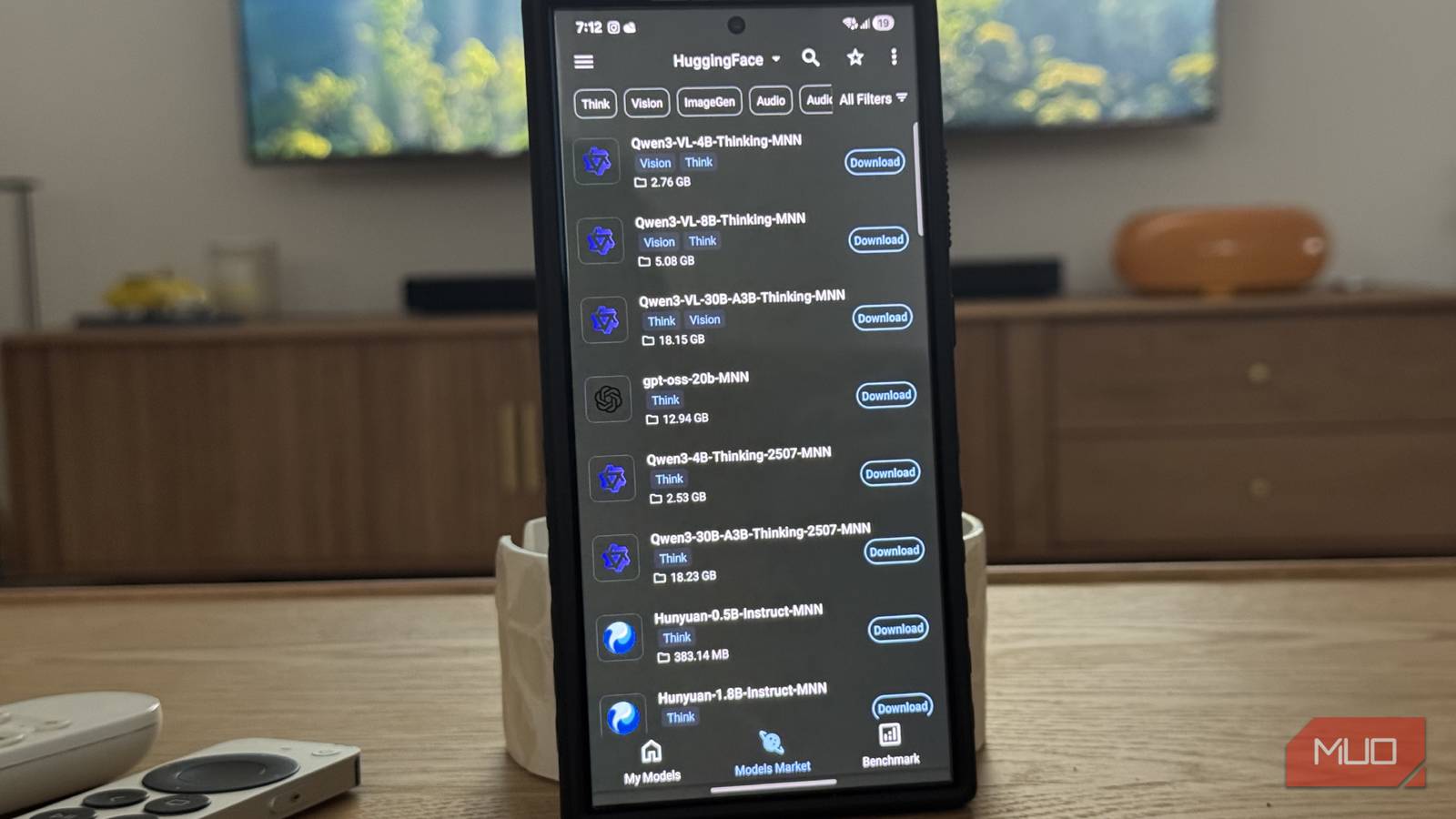
Ultimately, the emergence of local LLMs, such as the open-source MNN Chat developed by Alibaba, is a testament to the viability of running smaller models on mobile hardware. Though these models may not rival the extensive capabilities of cloud AI in heavy computational tasks, they excel in providing privacy and ease of access for smaller, everyday functions. As users increasingly recognize the benefits of local AI setups, the dynamic landscape of AI interaction continues to evolve, prioritizing user control and tailored solutions.
See also Canadian Heritage Committee Calls for Clear Labels on AI-Generated Content to Combat Fakes
 fal Launches Seedance 2.0 API, Enhancing AI Video Generation with Multimodal Capabilities
 Global Multi-Modal Education Market Reaches $25.4B by 2033 with 12.8% CAGR Growth
 OpenAI Reveals Key Differences Between Generative AI and LLMs for 2025 Applications