






















































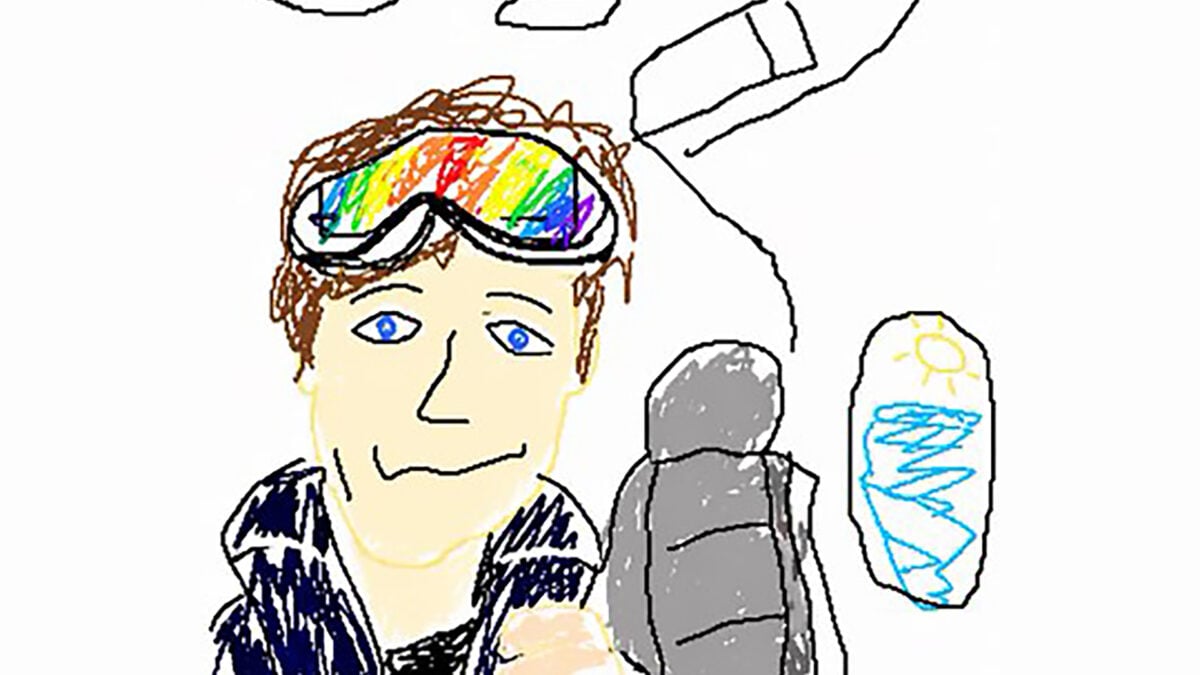
A new trend has emerged among users of OpenAI’s latest image generation model, GPT Image2, where individuals are prompting the AI to create MS Paint-style drawings from their photos. The trend, which appears to have originated from a Korean user on Threads identified as @withgrdnrush, seeks to strip away the charm of hand-drawn art, presenting outputs that resemble simple, squiggly lines with minimal color. The results, while recognizable, lack the artistic depth typically associated with traditional doodles.
The process has quickly gained traction, particularly among AI enthusiasts on platforms like X. A notable contributor to the trend, @arrakis_ai, offered a prompt that encouraged users to challenge the AI to recreate images in a “clumsy, scribbly” manner, reminiscent of a drawing made with a mouse in MS Paint. The intention was to produce something that not only appeared similar to the original but also retained a sense of awkwardness and low-quality charm. However, the outputs have not fully captured this essence, leading to a disconnect between the users’ expectations and the AI’s interpretations.
The images generated by GPT Image2, while clearly resembling MS Paint drawings, often lack the intended imperfections that characterize true human art. The creative limitations of the AI remove the personal touch that typically imbues digital art with warmth and character. Users have expressed a sense of irony in utilizing advanced AI technology to replicate the simplicity of a program that once ran on 8-bit CPUs and minimal RAM.
Despite the trend’s playful nature, some have likened it to the “Ghiblify” controversy, where prompts supposedly infringed on the stylistic trademarks of Studio Ghibli. OpenAI’s CEO, Sam Altman, played a notable role in popularizing that trend, encouraging users to feed their images into ChatGPT for Ghibli-style transformations. However, the current MS Paint trend does not appear to carry the same level of virality or legal implications. It is largely viewed as a humorous exercise in creative futility, rather than a serious artistic endeavor.
The trend highlights an interesting juxtaposition; leveraging cutting-edge AI technologies to produce outputs that mimic rudimentary drawings, emphasizing how far technology has evolved while simultaneously returning to simpler forms of artistic expression. As more users engage with the GPT Image2 model, the discussion around the quality and originality of AI-generated content continues to unfold, raising questions about the role of creativity in the age of artificial intelligence.
Ultimately, this phenomenon serves as a reminder of the delicate balance between innovation and tradition in the arts. As users explore the capabilities of AI, they are also reflecting on what it means to create art in a digital age. The outputs may not possess the human touch, but they encapsulate a moment where technology and creativity intersect, provoking thought about the future of artistic expression.
See also Apple Researchers Reveal LaDiR Framework, Enhancing LLM Accuracy by 20% in Math and Code Generation
 Bangalore AI Startups Develop Proprietary Models, Target Global Markets with Local Solutions
 AI Threatens Electoral Integrity in Nigeria’s 2027 Elections Amid Rising Misinformation Risks
 OpenAI Tests GPT 5.6 in Codex Update to Enhance AI Coding and Cybersecurity Features
 Gemini Embedding 2 Launches with Multimodal Capabilities, Enhancing AI Retrieval Accuracy by 40%














