Chinese AI Models Surpass US Rivals on Hugging Face
Recent data from Bloomberg reveals a significant shift in the global AI landscape, with downloads of Chinese models on the developer platform Hugging Face now exceeding those of US alternatives. Specifically, the Chinese-based Alibaba Group Holding Ltd.‘s “Qwen” models have amassed approximately 385.3 million downloads, surpassing the 346.2 million downloads for the Llama models developed by Meta Platforms Inc.. This surge indicates that Chinese-origin models now represent over 40 percent of new language model releases on Hugging Face, while Meta’s share has declined to around 15 percent.
Industry analysts agree that this trend is already influencing US-based companies. Venture capitalist Chamath Palihapitiya, during a recent episode of the All-In podcast, noted that his firm has shifted major workloads to a Chinese open-source model created by Moonshot AI, specifically its “Kimi K2” model, citing notable cost advantages. Similarly, Airbnb Inc. CEO Brian Chesky admitted that the company chose not to integrate with OpenAI’s ChatGPT due to the lack of readiness of necessary connectivity tools, opting instead for Alibaba’s Qwen models, which he described as “very good” and characterized them as “fast and cheap.”
Shifting Momentum Amid Hardware Advantages
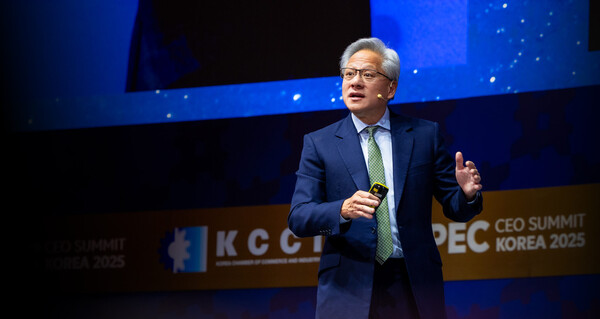
Despite the rise of Chinese models, the US maintains a stronghold in high-end AI hardware, benefiting from access to advanced chips and computing infrastructure. Companies like Nvidia Corp. continue to dominate this sector. Nvidia CEO Jensen Huang has emphasized the need for the US to “race ahead and win developers worldwide,” even while acknowledging that China is “just nanoseconds behind.”
Nevertheless, experts suggest that for many practical AI applications, particularly those developed by smaller firms or startups, the lower costs and licensing flexibility of open-source Chinese models are more appealing than exclusive access to proprietary US systems. A coalition supporting open-source AI has noted a growing preference among developers worldwide for Chinese models, citing their ease of download, fine-tuning capabilities, and local deployment options.
This trend raises concerns that extend beyond cost implications, with some analysts cautioning about the potential dependency on foreign models and the related issues of data governance. Yet, it appears that companies racing to market are increasingly willing to prioritize performance and affordability over those concerns.
While it is premature to assert a definitive outcome in the ongoing global AI competition, this emerging pattern suggests a potential paradigm shift. US policymakers and industry executives may need to confront the reasons why Silicon Valley and global developers are increasingly gravitating toward alternatives. As one expert put it, the pivotal question has shifted from “who has the best hardware?” to “which ecosystem do developers build on?”
See also Google Launches Autonomous Shopping Tools, Expanding Agentic Checkout and Duplex Features
 Michael Burry Bets Against Nvidia and Palantir, Signals Possible AI Boom Correction
 Attendees at AI Conference Identify Perplexity and OpenAI as Startups to Bet Against
 Pathologist Dr. Matose Reveals Ethical Challenges of AI in Healthcare at AMP 2025
 Leaked Documents Reveal OpenAI Paid Microsoft $493.8M in 2024, Spending Surges to $8.65B