






















































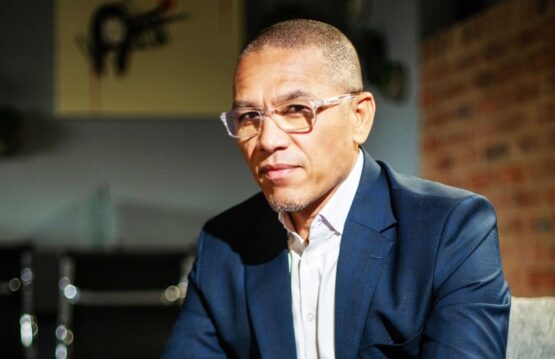
South Africa’s draft artificial intelligence (AI) policy is facing criticism from leading tech investors, including former Google South Africa CEO Stafford Masie. He expressed concerns regarding the government’s initiative to establish seven new institutional bodies in the AI sector before any investment has been made in the necessary infrastructure. Masie’s remarks highlight a broader apprehension within the tech community about regulating a vital economic sector prematurely.
Masie emphasized that the development of AI infrastructure should be recognized as “a national strategic priority.” His comments come amid increasing global interest in AI technologies, which are reshaping industries and driving economic growth. In contrast, South Africa’s approach appears to prioritize regulatory frameworks without a solid foundation of technological development.
The rapid advancement of AI has prompted various countries to invest heavily in infrastructure, research, and talent development. However, Masie’s critique suggests that South Africa could risk falling behind if it does not align its policy with the realities of the AI landscape. He asserts that regulations introduced without the necessary groundwork may hinder innovation rather than foster it.
In his view, the establishment of these new institutional entities could be seen as a bureaucratic move that distracts from the essential investments required to build a robust AI ecosystem. Instead of focusing solely on governance, Masie urges policymakers to prioritize funding and resources for infrastructure development, which he believes will lay a more fruitful groundwork for future regulations.
The draft policy’s provisions have sparked a debate on the balance between regulation and innovation in the tech sector. As the global economy increasingly shifts towards AI-driven solutions, the challenge for South Africa will be to create an environment that encourages technological advancement while addressing potential ethical concerns and societal impacts.
Critics argue that without appropriate infrastructure, the new regulatory bodies may lack the necessary context to make informed decisions about AI technologies. This sentiment echoes a growing concern that South Africa’s aim to regulate AI could stifle creativity and progress in a field that thrives on experimentation and rapid iteration.
Moving forward, industry experts, including Masie, are advocating for a collaborative dialogue between the government and tech leaders. By fostering partnerships that prioritize infrastructure investment, South Africa could harness the full potential of AI technologies, driving economic growth and positioning itself as a competitive player in the global landscape.
As the discourse surrounding the draft AI policy evolves, the focus will likely shift towards finding a harmonious balance between regulatory measures and infrastructural development. The outcome of this debate will be crucial in shaping South Africa’s technological future and its role in the global AI ecosystem.
See also FOIA Transformation: AI Tools and Cybersecurity Shape Future of Government Transparency
 Advanced AI Poses New Cybersecurity Risks, Warns Palo Alto Networks CTO Lee Klarich
 US Government Expands AI-Driven Surveillance, Spending $165 Billion Through DHS
 Canada’s AI Minister Solomon Unveils “Airtight” Regulation Against Bias and Hate
 Ex-Lovable Founders Launch Blaise AI to Disrupt IT Consultancies with Rapid Software Solutions














