This post was created in partnership with InMobi
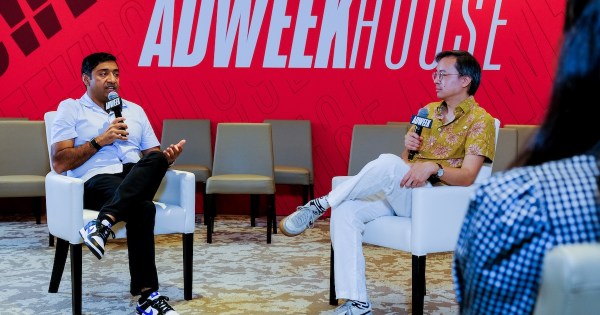
Generative AI is advancing swiftly, urging marketers to grasp its potential for consumer engagement. In a recent discussion at the ADWEEK House Possible fireside chat co-hosted by InMobi, Ryan Joe, editor in chief of ADWEEK, engaged with Abhay Singhal, co-founder and CEO of InMobi Advertising, to explore the implications of generative AI for marketing teams and consumers.
Singhal opened by predicting that by the end of 2026, a new ad format will emerge featuring “good agent-to-agent interaction.” He posited that consumers will progressively delegate research tasks to AI while retaining final decision-making authority. For instance, a shopper looking for sneakers can input preferences into an AI platform, which will then suggest options tailored to their taste and budget.
The conversation highlighted the anticipated evolution of AI-powered ad formats that allow consumer interaction akin to engaging with a store employee. Singhal emphasized that this would mark a significant enhancement over traditional ad formats that merely deliver a message, prompting a click, followed by a transition to a website for purchase decisions. He remarked, “Ad formats could do so much better with the gen AI embedded into it that it would feel very personal and very engaging.”
Singhal further elaborated on the visual advantages of ecommerce, spotlighting Glance, an InMobi-owned platform that curates products and generates AI visualizations. He illustrated this with the example of a floral shirt, which he might initially dismiss for himself. However, an agentic commerce platform could generate an image of him wearing the shirt, enabling a more informed purchasing decision. “There are so many different categories that are very visual in nature, which, when you apply it to yourself or your setting or your pet, your desire to have it just enhances multiple-fold,” Singhal explained, noting the impressive returns on ad spend (ROAS) achieved through these engagement strategies.
A key concern regarding the adoption of generative AI in advertising is cost. Singhal pointed out that expenses must decrease to facilitate scalable advertising solutions. Currently, InMobi serves “billions and trillions” of ads monthly, making the integration of generative AI within this framework financially unfeasible. He proposed that ads could subsidize the tokens necessary to power AI, revealing that InMobi is experimenting with ad formats where token costs align with ad expenses. “It ends up becoming net-positive for the publisher who’s actually running this unit,” he noted, indicating a viable financial model for the industry.
As generative AI continues to develop, its integration into marketing and ecommerce suggests a transformative shift in how consumers interact with brands. The ability to personalize experiences, coupled with the visual enhancement of product offerings, positions generative AI as a pivotal force in redefining both advertising strategies and consumer engagement. The industry is on the cusp of a significant evolution, which could reshape not only marketing landscapes but also consumer expectations moving forward.
See also Tekion Integrates DAS Technology’s AI Platform to Enhance Dealership Customer Experience
 Optimove Expands Data Connectivity, Enabling 200 Customer Attributes for AI-Driven Marketing
 ACME.BOT Reveals SEO Checklists are Obsolete as AI Search Reshapes Content Visibility
 Ndovesha AI Launches All-in-One Platform for Marketing and Content Automation
 AI Content Repurposer Launches in 2026, Promising 10x Content Output Efficiency