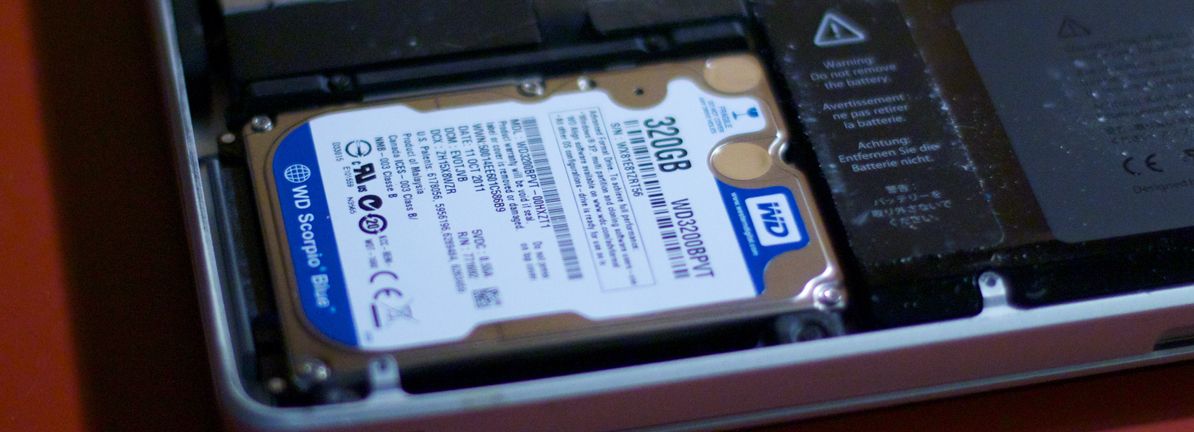
Western Digital (NasdaqGS:WDC) has successfully completed the spin-off of its Flash business as of early 2025, transitioning into a more focused hard drive company. The restructuring aligns with the company’s strategy to concentrate on high-capacity hard drives, which have seen a significant uptick in demand, particularly from cloud hyperscalers. As a result, Western Digital reports that its manufacturing capacity is effectively booked through 2026 under multi-year agreements, reflecting strong demand for its 32TB and 40TB hard drives utilized in AI-oriented data lake and infrastructure builds.
Currently trading at approximately $350.16, Western Digital is strategically shifting toward a higher margin profile by emphasizing large-capacity drives and recurring revenue contracts. This approach marks a departure from its previous broader mix of storage products. The company’s year-to-date share price has surged by 86.6%, underscoring the growing investor interest following recent developments regarding its business model and product offerings.
The commitment of manufacturing facilities through 2026, particularly tied to AI data infrastructures, allows Western Digital to mitigate typical industry volatility characterized by fluctuating order patterns. This stability provides investors with a clearer view of the company’s revenue prospects, placing less emphasis on quarterly performance metrics. The contractual capacity and focus on high-capacity drives raise critical questions about how Western Digital will navigate future AI infrastructure build-out cycles, as well as the implications for its revenue visibility and capital allocation strategies.
Three notable aspects that further enhance Western Digital’s business narrative include its pivot towards high-capacity hard drives and long-term “Capacity as a Service” contracts, which position the company akin to a utility provider for large-scale cloud clients. The solid commitments from its factories through 2026, particularly in relation to AI-driven projects, grant the company a rare degree of volume visibility in an industry typically marked by erratic demand. Unlike competitors such as Seagate or Micron, Western Digital’s focus on mass-capacity HDDs supporting AI workloads distinguishes its approach from a wider consumer storage strategy. However, this reliance on a select group of hyperscalers also poses risks, as shifts in ordering patterns, storage architectures, or supplier preferences could impact the company significantly.
The recent spin-off and ensuing manufacturing commitments bolster the narrative that deep partnerships with hyperscalers and evolving AI storage needs can foster both higher margins and a robust earnings foundation. However, the concentration of customers and reliance on HDD technology also echo concerns surrounding the potential shift to alternative storage solutions that may weaken the long-term outlook. Furthermore, Western Digital’s expansion into platform solutions for newer AI-focused clients is only partially reflected in current market narratives, which could present additional growth opportunities if these initiatives gain traction.
Investors should remain vigilant regarding the potential benefits and risks associated with Western Digital’s new focus. While the heavy reliance on a small group of hyperscale customers could expose the company to volatility if ordering patterns or preferred suppliers change, the contracted capacity through 2026 affords a clearer revenue outlook, enabling informed planning for research, development, and capital investment. Leadership in high-capacity drives positions Western Digital to vie for AI infrastructure budgets alongside its peers and helps protect its market share in mass-capacity storage.
Looking ahead, it will be crucial for stakeholders to monitor how Western Digital converts its current order book into sustainable profitability, particularly as it transitions its 40TB and future Heat Assisted Magnetic Recording drives from qualification to broader deployment. Renewals of current multi-year contracts, any shifts in purchasing behavior from major cloud customers, and updates regarding platform offerings for smaller AI-focused clients will serve as important indicators of the company’s trajectory. Additionally, keeping an eye on the commentary from competitors, such as Seagate and major memory suppliers, regarding data center storage mix will provide insights into whether high-capacity HDDs will maintain their central role in AI infrastructure.
As the landscape for data storage evolves, understanding the dynamics at play within Western Digital will be critical for investors. By staying informed on the latest developments and how they impact the company’s investment narrative, stakeholders can better navigate the complexities associated with this pivotal period in the tech sector.
See also Smart Fire Detection Systems Set to Reach $52.89 Billion by 2026, Reducing False Alarms 97%
 AI Hardware Suppliers Nvidia and Dell Set for Growth with Strong Earnings Ahead
 SiFive Unveils RISC-V Architecture to Overcome AI Compute Bottlenecks and Boost Efficiency
 Microsoft Research Announces 2026 Fellowship Cohort Focused on AI and Education