
AI Technology
Federal agencies increase AI spending by 15% to $3.1 billion by 2028, aiming to enhance efficiency amid a workforce reduction of over 317,000 employees.
Hi, what are you looking for?


DeepSeek Launches V4 Open-Source Model, Underpricing GPT-5.5 and Claude Opus 4.7

Apple, Google, and Amazon Shine Post-Earnings as AI Demand Reshapes Tech Landscape

Mistral Launches Medium 3.5, Enabling Cloud-Based Remote Coding Agents in Vibe and Le Chat

BBC Studios Launches Live AI Avatar for Morning Live, Revolutionizing Broadcast TV

Perplexity Unveils Mac-Native ‘Personal Computer’ Platform with $2.8B in Labor Savings

Red Hat Reveals Small Language Models as Key to Scaling Enterprise AI Agents

Cognizant Announces Layoffs Amid AI-Driven Workforce Restructuring, Sees 6,000 New Hires

Jensen Huang Critiques AI Doom Predictions, Calls for Fact-Based Discussions

Iren’s 1.6GW Oklahoma Site Boosts AI Potential, But Nebius Secures $27B in New Deals

Kamiwaza Launches 1.0 with Secure AI Orchestration for Regulated Industries

OpenAI’s AI Model Achieves 81.6% Diagnostic Accuracy, Surpassing Human Doctors in ER Tests

IBM Launches Chicago Quantum Hub, Creating 750 AI Jobs and Expanding MIT Research Lab

AI Framework by Jingyuan Yang Achieves Fairness-Performance Balance in Job Opportunities

APOLLO AI Launches, Analyzing 25B Medical Events to Predict Future Diseases

MIT Reveals Study Mapping AI Capacity in Central Eurasia to Guide Investment Strategies

Growing Opposition to NextDC’s M3 Datacentre Expansion Amid Community Concerns in Melbourne

AMD Launches Ryzen AI Halo Mini-PC with 128GB RAM and NPU for Local AI Development

Apple Raises Mac Mini Price to $799 Amid AI-Driven Supply Shortages

A1 Public Relations Enhances AI Visibility for Entertainment Brands in 2026

Penn Engineers Introduce AI Method Reducing Memory Use 10x for Solving Complex Math Problems

BusySeed Launches Rankxa to Measure Brand Visibility in AI-Generated Search Results

AI Content Repurposer Launches in 2026, Promising 10x Content Output Efficiency

Ndovesha AI Launches All-in-One Platform for Marketing and Content Automation

ACME.BOT Reveals SEO Checklists are Obsolete as AI Search Reshapes Content Visibility

Optimove Expands Data Connectivity, Enabling 200 Customer Attributes for AI-Driven Marketing

US Defense Partners with Anthropic, OpenAI, and Tech Giants for AI-First Military Initiative

71% of Aussies Use Generative AI, Yet Only 36% Trust Its Implementation, Says Expert

Anthropic Accuses Moonshot AI of 3.4M Unauthorized Claude Exchanges Amid US State Response

Independent Journalism Seeks Reader Support Amid Declining Ad Revenue

Nearly All States Pilot AI, Yet Only 7 Have Established Evaluation Mechanisms

KFTC Launches AI Agent Payment Platform to Transform Financial Transactions

Mizuho Bank Completes Merger, Integrates Oracle Autonomous AI for Enhanced Operations

More Than 55% of Americans Use AI for Financial Advice, Risking Personal Data Exposure

BsStrategy Launches AI Trading Platform Focused on Market Rhythm and User Awareness

Infini Achieves MSB Registration in Canada, Enhancing Global Payment Services

PennWest California Professor Mark Lennon Researches AI in Brazil through Fulbright Award

Chiemela Kalu Launches MISGPT to Enhance Academic Advising for Underserved Students

AI Enrolments Surge 90% Among Mid-Career Professionals, Non-Tech Roles Drive Demand

Khan Academy Launches $10K AI Degree Program in Partnership with TED and ETS

Parents and Educators Push for AI Moratorium at NYC School Board Meeting

Anthropic’s Mythos Reveals Thousands of Vulnerabilities, Banks Prepare for AI Cyberattacks

Anthropic Launches Beta of Claude Security AI Tools to Combat Cyber Threats

80% of Cybersecurity Investors Plan Increased AI Spending by 2026, Focus on ROI

Anthropic Launches Claude Security for AI Vulnerability Scanning in Public Beta
Australia Post Partners with Alpha Level to Enhance Cybersecurity with AI Machine Learning

South Africa Investigates Two Officials for AI Hallucination in Withdrawn Policy Draft

Korea Ventures Launches AI Initiative to Enhance Fund Management and Policy Efficiency

Pegasystems Reports Weaker Q1 Earnings, Announces $7M Dividend and Governance Reforms

Academy Confirms AI Performances Ineligible for Oscars Amid Growing Industry Tensions

Connecticut Passes Senate Bill 5, Comprehensive AI Regulations Set for Governor’s Approval

AI Achieves 85% Accuracy in Predicting Mental Health Treatment Success, Paving Way for Precision Psychiatry

Nvidia Expands Partnerships with Asian Firms, Boosting AI Chip Demand by 90%

Google Prepares Omni Model for Gemini Video Generation Ahead of I/O 2026

OpenAI Launches GPT Image 2, Surpassing Google Nano Banana 2 in Key Categories

Academy Excludes AI Actors and Scripts from Oscars, Impacting Synthetic Media Valuations
Federal agencies increase AI spending by 15% to $3.1 billion by 2028, aiming to enhance efficiency amid a workforce reduction of over 317,000 employees.


DeepMind's Demis Hassabis faces pressure from Google to shift focus toward commercial AI applications as the company contends with competition from OpenAI's ChatGPT.


Harbin Institute and Peking University unveil Adaptive-SN2N framework, boosting microscopy image quality by up to 200% while eliminating background artifacts.


iDox.ai launches its Legal Service and Government Edition, streamlining document redaction processes and compliance with AI-driven automation and explainable reporting features.


Citi's Boolani highlights a $25B acquisition by Palo Alto Networks, underscoring the urgent demand for advanced cybersecurity as AI threats escalate.


OpenAI enhances Codex with groundbreaking background operation and in-app browser features to compete with Anthropic's rising Claude Code for enterprise users.


AI in social media is projected to soar from $5.65 billion in 2026 to $70.53 billion by 2034, fueled by a 37.11% CAGR and...


U.S. GDP is projected to surge over 10% by 2034, driven by an AI boom that promises strong productivity growth, according to BNP Paribas...


Anthropic unveils Claude Opus 4.7, enhancing coding and multimodal vision capabilities, now processing images at over three times the resolution of earlier models.


Local LLMs like Alibaba's MNN Chat enhance user privacy and productivity by enabling secure on-device AI tasks, transforming personal interactions with AI.


UK government unveils £500M Sovereign AI fund to propel domestic tech firms, targeting key investments for economic growth and global competitiveness.

Clark Dean unveils the "Dean Machine," an AI-driven platform for voter engagement, allowing Georgians to interact directly with his policy positions 24/7.
EU Commission mandates Meta to restore third-party AI assistants' access to WhatsApp after ruling restrictions violate antitrust laws, risking competition.
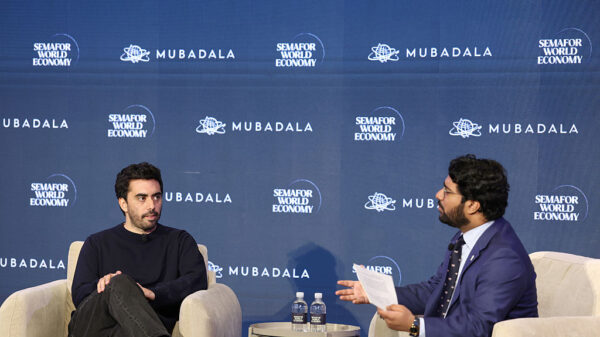

Runway CEO Cristóbal Valenzuela advocates producing 50 films for $100M instead of one blockbuster, leveraging AI to cut production costs and boost creativity.


Broadcom launches VMware Tanzu Platform for secure AI application management, expanding into AI software infrastructure post-VMware acquisition to boost enterprise adoption.
