






















































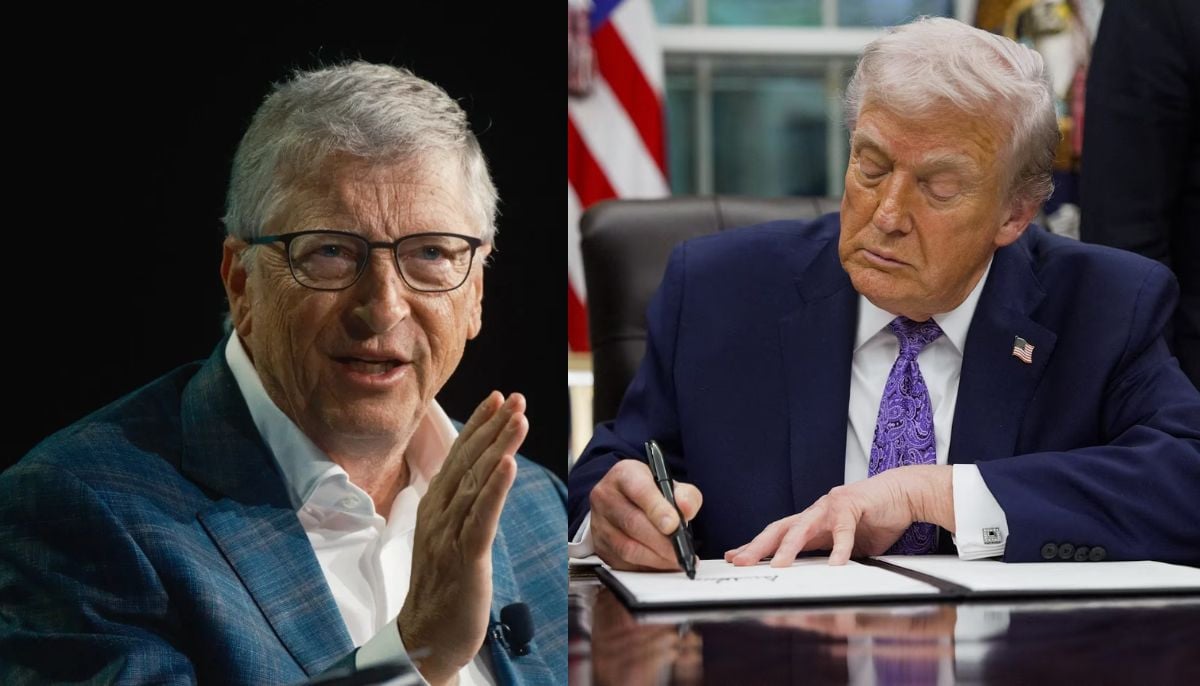
US President Donald Trump recently announced that Microsoft plans to implement significant changes aimed at preventing American households from facing increases in electricity bills attributed to AI data centers. This declaration comes amid rising utility costs across numerous states, intensifying political scrutiny as midterm elections approach.
At the heart of the issue is the ongoing debate over who bears the financial burden of energy consumption associated with the rapid expansion of artificial intelligence. Reports indicate that electricity prices surged approximately six percent year-on-year in at least 13 states, with Maine experiencing a staggering 36% increase. Trump has expressed his desire for technology firms, particularly Microsoft, to absorb these costs rather than passing them onto consumers.
During a town hall meeting in Wisconsin, Microsoft President Brad Smith reassured residents that the company is actively working to ensure that local power rates do not rise due to its operations. However, Microsoft has faced local opposition, leading them to abandon plans for a data center in Caledonia.
In a bid to support its AI initiatives, Microsoft has committed to utilizing alternative energy sources. Notably, the company finalized a 20-year contract in 2024 to purchase energy from the Three Mile Island nuclear facility in Pennsylvania, following the approval of a $1 billion loan guarantee from the Trump administration in November 2025. This nuclear reactor, not situated near the site of the infamous 1979 accident, is expected to begin operations by 2027, providing energy for approximately 800,000 households.
Trump hinted at forthcoming announcements concerning other major tech companies, including Meta, Amazon, and Google, as pressure mounts on the industry regarding energy management and its impact on consumer electricity bills. As AI-powered data centers continue to proliferate, the scrutiny of Big Tech’s energy consumption and its ripple effects on the average consumer is likely to intensify.
This ongoing discourse reflects a broader concern regarding the intersection of technological advancement and its socio-economic implications. As the demand for AI capabilities grows, so too does the necessity for sustainable energy solutions that mitigate the financial impact on consumers. The strategies adopted by major tech players like Microsoft could set precedents for how the industry navigates these challenges in the future.
See also Go!Foton Unveils Innovative Fiber Slack Panel for AI-Ready Data Centers at BICSI 2026
 Illumina Unveils Billion Cell Atlas to Transform AI-Driven Drug Discovery at Scale
 wsup.ai Launches Next-Gen AI Character Platform with Free Image Generation and Long-Term Memory
 World Leaders Unite at Abu Dhabi Sustainability Week 2026 to Drive Global Energy Transformation
 Google and Walmart Unveil AI-Driven ‘Agentic Commerce’ to Revolutionize Retail Shopping














