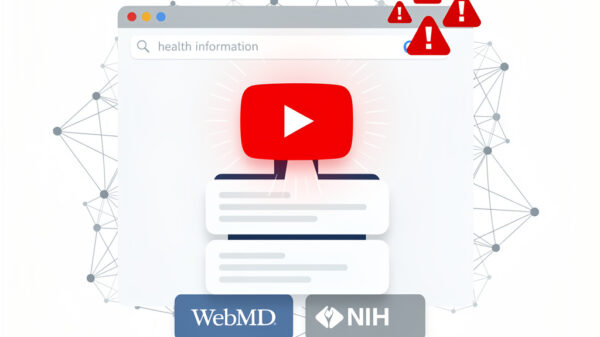
Recent studies indicate a growing reliance on health information technology among U.S. adults, highlighting a trend towards digital solutions in healthcare management. According to a report by Wang and Cohen from the CDC, the usage of health information technology surged between July and December 2022, a shift that can be attributed to the increasing accessibility of digital health resources.
As consumers seek accurate health information online, platforms like WebMD and Mayo Clinic have emerged as popular tools. These websites offer comprehensive symptom checkers and medical resources, facilitating self-diagnosis and treatment options. WebMD’s symptom checker, for instance, allows users to input symptoms and receive potential diagnoses, while Mayo Clinic provides a similar service aimed at improving patient knowledge.
The urgency of medical decisions has prompted research on how laypeople utilize these technologies. A survey study published in the *Journal of Medical Internet Research* examined attitudes towards large language models and search engines for health queries. The findings indicated that many individuals prefer digital health tools for initial assessments before consulting healthcare professionals. This reflects a shift in how patients engage with their health, leaning more towards self-triage.
Despite these advancements, the effectiveness of online symptom checkers remains a topic of scrutiny. A systematic review in *npj Digital Medicine* concluded that while these tools can aid in diagnosis, their accuracy varies widely. Experts caution that reliance solely on digital assessments can lead to misdiagnosis and inappropriate treatment, underscoring the importance of professional medical consultation.
The integration of Artificial Intelligence (AI) in healthcare is a double-edged sword. While AI can enhance diagnostic accuracy, concerns about “hallucination”—a phenomenon where AI generates plausible but incorrect information—remain prevalent. A preprint study by Xu et al. suggests that hallucination is an intrinsic limitation of large language models, which may undermine trust in AI applications in medical settings.
Clinical professionals are increasingly aware of the balance needed between leveraging AI technology and maintaining a human touch in patient care. A systematic review published in *JMIR AI* examined how explainable AI could either bolster or diminish trust among clinicians. As AI tools like GPT-4 become more integrated into healthcare, understanding their limitations is crucial for fostering clinician-patient relationships.
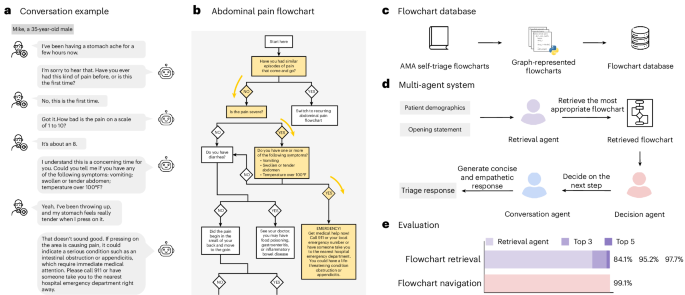
Amid the evolving landscape of digital health, various organizations are striving to improve transparency in AI systems. The *American Medical Association* has published guidelines emphasizing the need for clear communication about AI’s capabilities and limitations to ensure patient safety and trust. This is especially vital as patients become more engaged in their healthcare decisions, often relying on technology for guidance.
Notably, the performance of AI in healthcare is not just a matter of efficiency but also of reliability. A study by Bean et al. in *Nature Medicine* highlighted the varying reliability of large language models when used as medical assistants, revealing that while they can offer valuable insights, their application must be approached with caution. The implications for patient care are significant, as AI technologies must align with clinical standards to ensure patient safety.
Looking ahead, the intersection of AI and healthcare presents both opportunities and challenges. As technologies advance, the focus will need to shift towards fostering trust in these systems while ensuring that healthcare professionals are equipped to utilize these tools effectively. The ongoing dialogue between technology developers, healthcare providers, and patients will be essential in shaping the future of health information technology.
See also Generative AI Enhances Cancer Research by Integrating Images, Molecules, and Clinical Data
 Google Launches Gemini Feature in Nano Banana, Personalizing AI Images from Photos Library
 Moonshot AI Launches Kimi-K2.6 Model with 1T Parameters, Surpassing GPT-5.4 in Benchmarks
 Google Launches Gemini’s Personalized Image Generation Using Google Photos Integration
 Top Conversational AI Platforms for 2026: Key Players and Innovations to Watch