Apple’s iOS 27 Set for a Stability-Centric Release Amid Increased Competition
Apple Inc. is gearing up for the release of iOS 27, with a focus on software stability rather than a barrage of flashy new features. Set to be unveiled at the Worldwide Developers Conference (WWDC) in June 2026, followed by a public rollout in September alongside the iPhone 18 series, the upcoming operating system is being described as a “Snow Leopard” moment. This term references the 2009 Mac OS X update that emphasized refinement over reinvention. As the tech giant faces mounting competition from Android’s advancements, particularly in artificial intelligence, iOS 27 aims to solidify Apple’s reputation for reliability.
According to reports, iOS 27 will prioritize performance enhancements and bug fixes, addressing user complaints about glitches in the prior version, iOS 26, which has been criticized for notification delays and app crashes. Analysts suggest that this shift is essential as smartphones increasingly handle critical tasks like banking and health monitoring, making reliability a top priority for users, especially in enterprise settings.
In addition to stability, iOS 27 is expected to incorporate significant advancements in artificial intelligence. Enhancements to Apple Intelligence, the company’s AI suite introduced in iOS 26, are anticipated, particularly a more contextually aware Siri capable of managing complex queries. Furthermore, a new AI tool within Apple Health+ may serve as a virtual coach, analyzing user data to provide personalized health and fitness advice while ensuring privacy by processing data on-device.
Compatibility considerations are also a key focus for iOS 27, which is expected to support devices from the iPhone 12 onward. This move could see the exclusion of older models like the iPhone 11, helping Apple optimize performance and leverage newer hardware capabilities, a decision that may draw some criticism from users of legacy devices.
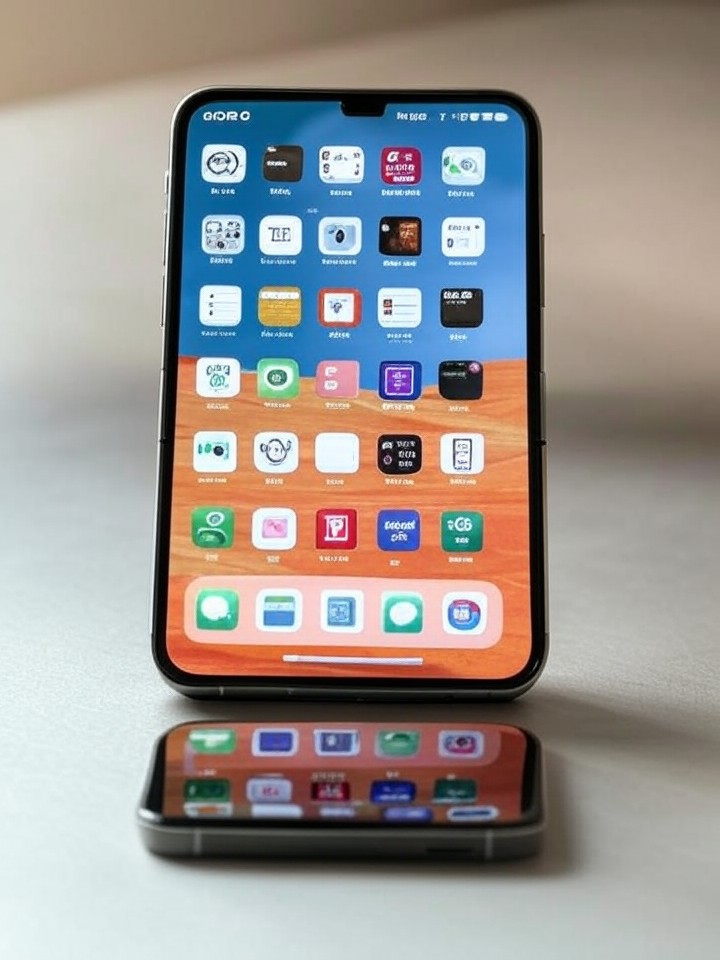
Furthermore, iOS 27 is rumored to be tailored for Apple’s first foldable iPhone, slated for a launch in 2026. Features are likely to include dual-screen functionality that allows seamless transitions between the device’s outer and inner displays, enhancing multitasking capabilities. Insights from industry insiders suggest that this optimization will draw from competitors like Samsung, yet will maintain Apple’s hallmark attention to detail.
In line with performance upgrades, iOS 27 is reported to include optimizations in areas such as battery management and app launch speeds. Core applications are expected to receive updates, including a revamped Calendar that utilizes AI-driven scheduling suggestions to streamline users’ workflows. Improvements to AirPods integration may enable quicker pairing and enhanced spatial audio processing as well.
On the security front, iOS 27 is set to enhance defenses against emerging cyber threats, potentially introducing more granular privacy controls. This proactive approach aims to align with global regulatory standards, notably the EU’s Digital Markets Act, while fostering increased consumer trust in an environment rife with data breaches.
For developers, the beta phase of iOS 27 is anticipated to commence after WWDC in June, providing an opportunity to test these enhancements. The update’s emphasis on performance promises to minimize compatibility issues, allowing developers to focus more on feature innovation than on troubleshooting. This strategy could facilitate the integration of AI models, lowering barriers for independent creators to build intelligent applications.
The implications of iOS 27 extend beyond software, impacting Apple’s ecosystem as a whole. The anticipated launch of the iPhone Fold aligns with the company’s strategy to leverage innovative form factors to differentiate itself from competitors. Enthusiasm among developers for foldable APIs could lead to a new wave of applications optimized for larger screens, enhancing productivity and user experience.
Market analysts are already discussing the potential impact of iOS 27 on Apple’s stock and sales, with expectations that improved software performance could stimulate upgrade cycles. This strategic focus on quality may help Apple avoid the pitfalls of software bloat that have plagued some recent Android updates. As the beta testing progresses, users are likely to provide feedback that will further refine the final product, a practice that has historically led to robust releases.
In summary, iOS 27 represents a pivotal moment for Apple as it balances the need for innovation with an unwavering commitment to reliability. As the tech community awaits further details leading up to WWDC, the implications of this update for mobile computing, user satisfaction, and market dynamics will become increasingly evident.
See also Logistics Reply Unveils GaliLEA Dynamic Intelligence to Transform Warehouse Automation
 AI Revolutionizes Advertising: Brands Must Adapt or Fall Behind in 2026 Landscape
 Meta Launches Meta Compute Initiative to Build Massive AI Infrastructure and Reduce Vendor Dependence
 Notre Dame Secures $50.8M Grant to Advance Ethical AI Framework Amidst Tech Revolution
 AI Leaders Warn: Junior Roles Risk Decline as Anthropic and DeepMind See Early Signs