























































BEIJING – China’s cyberspace regulators have penalized three online platforms for non-compliance with national regulations regarding the labeling of AI-generated content. This action reflects a heightened commitment to combat misinformation and enhance oversight amid the rapid expansion of generative AI technologies. The penalties were announced on Tuesday by the Cyberspace Administration of China, which revealed that the platforms faced regulatory inquiries, orders for rectification, and warnings. Individuals responsible for the infractions also received penalties.
The statement emphasized that authorities would intensify efforts to oversee the labeling of AI-generated content, aiming to foster a healthy and orderly development of AI in the country. Last year, China implemented rules mandating clear identification of AI-generated content, which requires that such materials published online include both visible labels for users and invisible metadata to trace responsibility.
As of 2025, China reported having 1.125 billion internet users, with 602 million engaged in generative AI activities. The country experienced a remarkable surge in the production of AI-generated audio and video clips, exceeding 2 billion and marking a 14-fold increase year on year. Such numbers underscore the growing influence of generative AI across various digital platforms.
With the proliferation of AI-generated content on social media, regulators have raised concerns that manipulated images, videos, and audio could mislead the public and potentially facilitate fraudulent activities if not properly monitored. The implementation of labeling requirements seeks to restore transparency in digital media without stifling innovation within the sector.
The recent punitive measures against the three platforms highlight the Chinese government’s ongoing efforts to ensure compliance with its regulatory framework surrounding AI technologies. As generative AI continues to reshape the digital landscape, the necessity for robust oversight mechanisms becomes increasingly apparent. Ensuring that the public can easily identify AI-generated content is seen as a critical step in safeguarding users against misinformation.
As awareness of the implications of generative AI grows, the Chinese authorities are poised to further refine and expand their regulatory strategies. Looking ahead, experts believe that the focus on content labeling will play a crucial role in balancing innovation with accountability in the rapidly evolving field of AI, paving the way for a more informed digital environment.
See also WellnessLiving Launches AI-Powered Marketing Suite to Boost Client Retention by 32%
 Agentic Enterprises Transform AI Deployment, Emphasizing Integrated Systems and Autonomy
 Asana Launches AI Teammates to Boost Team Productivity, Saving 15,000 Hours Annually
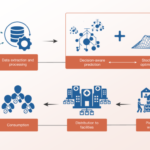 Decision-Aware Machine Learning Achieves 30% Increase in Access to Essential Medicines
 Mistral AI Launches Workflows for Seamless Enterprise AI Automation in Production















