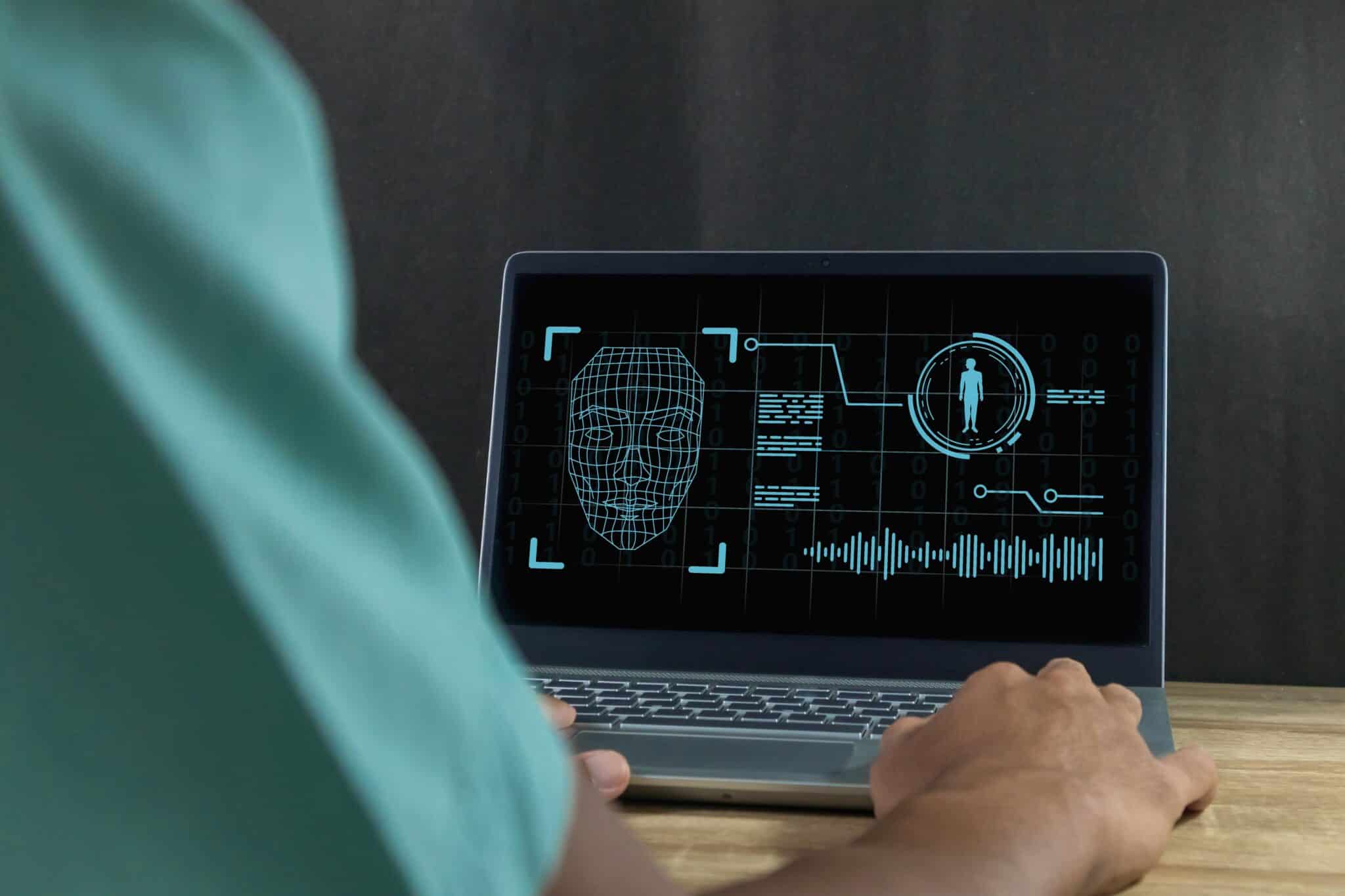
The UK Home Office has announced the launch of the Deepfake Detection Challenge 2026, a collaborative effort aimed at addressing the escalating threat posed by deepfake technology. This initiative will bring together experts from government, academia, and industry to tackle the misuse of deepfake materials, which have been linked to disinformation campaigns, financial crimes, and risks to public safety.
A recent case study from the UK government highlighted the urgent need for measures against the rising prevalence of deepfakes, labeling it an “urgent national priority.” The challenge is part of a broader government initiative to find effective solutions to what it terms “the greatest challenge of the online age.” This includes a benchmarking testing phase and a “scenario-based live hack event” scheduled for January 2026, designed to enhance collaboration among stakeholders and facilitate knowledge sharing on effective detection methods.
Prospective participants can express their interest in the Deepfake Detection Challenge 2026 through the official registration portal. The initiative is organized in partnership with the Accelerated Capability Environment (ACE), the Home Office, the Department for Science, Innovation and Technology (DSIT), and the Alan Turing Institute.
The previous iteration of the challenge in 2024 invited participants to address five challenge statements that pushed the boundaries of existing deepfake detection capabilities. Competitors utilized a custom platform featuring approximately two million assets of both real and synthetic biometric data for training purposes. Out of 17 submissions, several were identified for their promising proof-of-concept designs and potential for operational use. Notable contributions came from companies and institutions such as Frazer-Nash, Oxford Wave, the University of Southampton, and Naimuri.
The outcomes of the 2024 challenge yielded key insights into deepfake detection. Foremost among them was the necessity of employing curated training datasets that accurately reflect real-world scenarios to achieve the most effective detection results. Additionally, collaboration and data sharing emerged as critical components in the ongoing effort to combat deepfake technology.
As the threat of deepfakes continues to evolve, the UK government’s proactive approach reflects a growing recognition of the complexities associated with emerging technologies. By fostering innovation and cooperation among diverse stakeholders, the Deepfake Detection Challenge 2026 aims to strengthen the collective response to a challenge that has significant implications for society at large.
See also FPT Invests $100 Million in Quantum AI and Cybersecurity Research Institute
 AI Threat Intelligence Reveals 66% of AI Firms Face Security Risks From Exposed Data
 KawaiiGPT Launches Free Open Source AI Tool, Streamlining Cybercrime Operations for All
 Governance Maturity Boosts AI Confidence, Says Cloud Security Alliance Study
 ESET Reveals AI-Driven Ransomware PromptLock, Warns of Rising NFC Malware Threats