Acemagic has unveiled its latest mini-PC, the ACEMAGIC M1A PRO+, featuring AMD’s powerful Ryzen AI Max (Strix Halo) platform. This compact system integrates a 16-core Zen 5 CPU and a robust RDNA 3.5 architecture GPU, making it a strong contender in the AI development space. With a memory capacity of 128GB LPDDR5X, the M1A PRO+ is poised to cater to the increasing demands of AI developers who are seeking high-performance systems. Positioned as a premium offering in the small form factor (SFF) market, Acemagic differentiates itself with a visually striking design that sets it apart from traditional black box PCs.
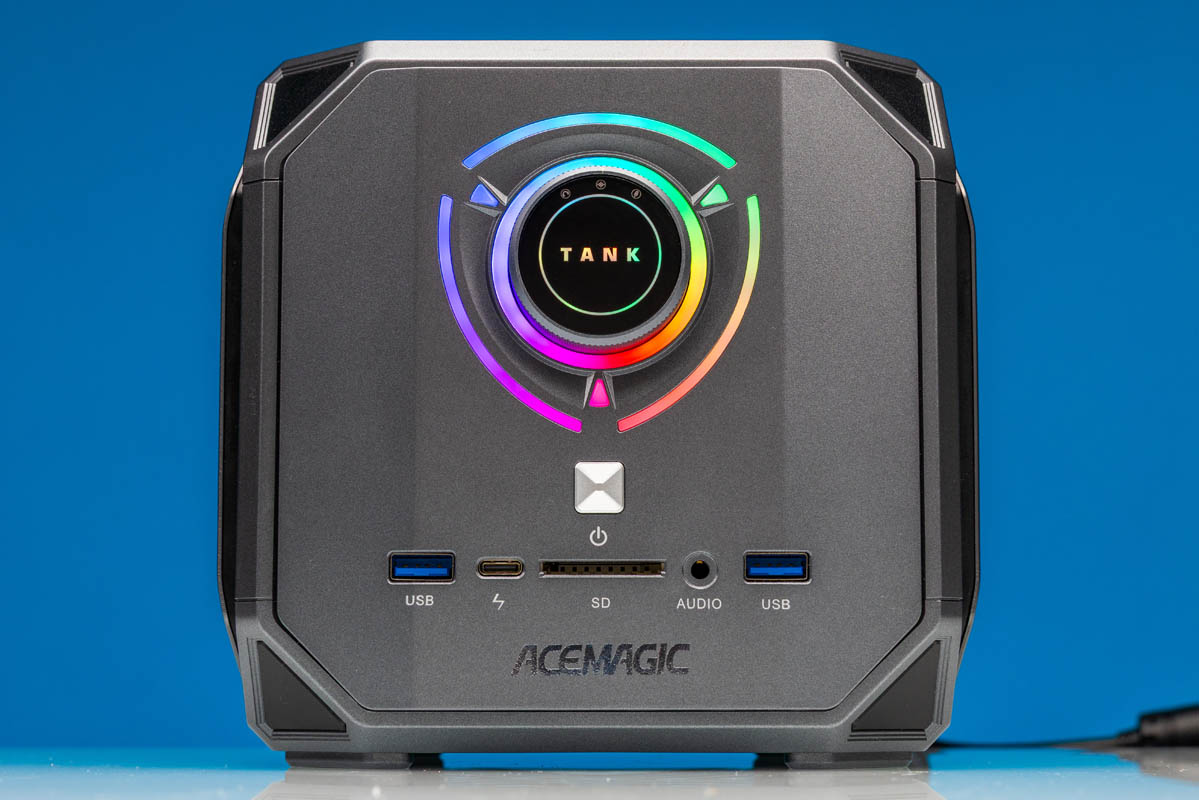
The M1A PRO+ showcases a cubic design accentuated by RGB lighting, appealing to gamers and tech enthusiasts alike. While many vendors adopt conservative designs, Acemagic opts for a vibrant aesthetic reminiscent of gaming rigs. The system’s dimensions stand at 166.7 x 166.9 x 160.9 mm, weighing around 2.0 kg, making it portable and user-friendly. The PC is powered by a 300W external power supply, necessary for accommodating the performance capabilities of its SoC.
Key specifications of the M1A PRO+ include the AMD Ryzen AI Max+ 395 processor, running at 5.1GHz, along with Windows 11 Pro as the operating system. The unit features a 2TB M.2 2280 PCIe Gen4 SSD, with two additional bays for storage expansion, and is equipped with Radeon 8060S graphics, boasting 40 compute units. Connectivity options are ample, with the front panel housing two USB-A ports (10Gbps), one USB-C port (40Gbps), and a 3.5mm audio jack, while the rear includes dual HDMI 2.1 ports, a DisplayPort 2.0, and additional USB-A ports.
Acemagic’s design choices extend to the performance capabilities of the M1A PRO+, offering users three performance modes: Silent, Balanced, and Performance. A central dial allows for easy switching between these modes, with RGB lighting indicating the selected setting. However, while the lighting is visually appealing, it lacks programmability, cycling through colors when not in use. The innovative integration of these features illustrates Acemagic’s commitment to both functionality and aesthetics.
The M1A PRO+ serves as a robust option for AI developers, who can leverage its high-end specifications while enjoying the flexibility of its compact design. The system’s chassis facilitates easy access to storage expansion slots, allowing users to upgrade without needing extensive disassembly. This user-centric approach is crucial in the competitive mini-PC market, where ease of use can significantly influence purchasing decisions.
While Acemagic has succeeded in creating a standout product, some aspects of the M1A PRO+ could raise eyebrows among potential users. The choice of dual 2.5Gb Ethernet ports may be seen as insufficient for a device positioned in the premium segment, where expectations for higher bandwidth options, such as 10Gb Ethernet, are increasingly common. This consideration could impact the M1A PRO+’s appeal to professional users who rely on fast and reliable network connections for AI workloads.
In conclusion, the ACEMAGIC M1A PRO+ represents a compelling entry into the high-performance mini-PC market, combining powerful hardware with a distinctive design. As the demand for advanced AI systems continues to grow, Acemagic’s innovative approach may resonate well with developers and tech enthusiasts looking for performance without sacrificing aesthetics. With its unique offerings, this mini-PC is likely to capture attention in an increasingly crowded space.
See also Super Micro Launches Compact Edge AI Systems with AMD EPYC 4005 Processors
 Nebraska Engineering Launches Husker AI Days with Google, Microsoft, OpenAI Participation
 Western Digital Secures AI Storage Capacity with 32TB and 40TB Drives Through 2026
 Smart Fire Detection Systems Set to Reach $52.89 Billion by 2026, Reducing False Alarms 97%
 AI Hardware Suppliers Nvidia and Dell Set for Growth with Strong Earnings Ahead