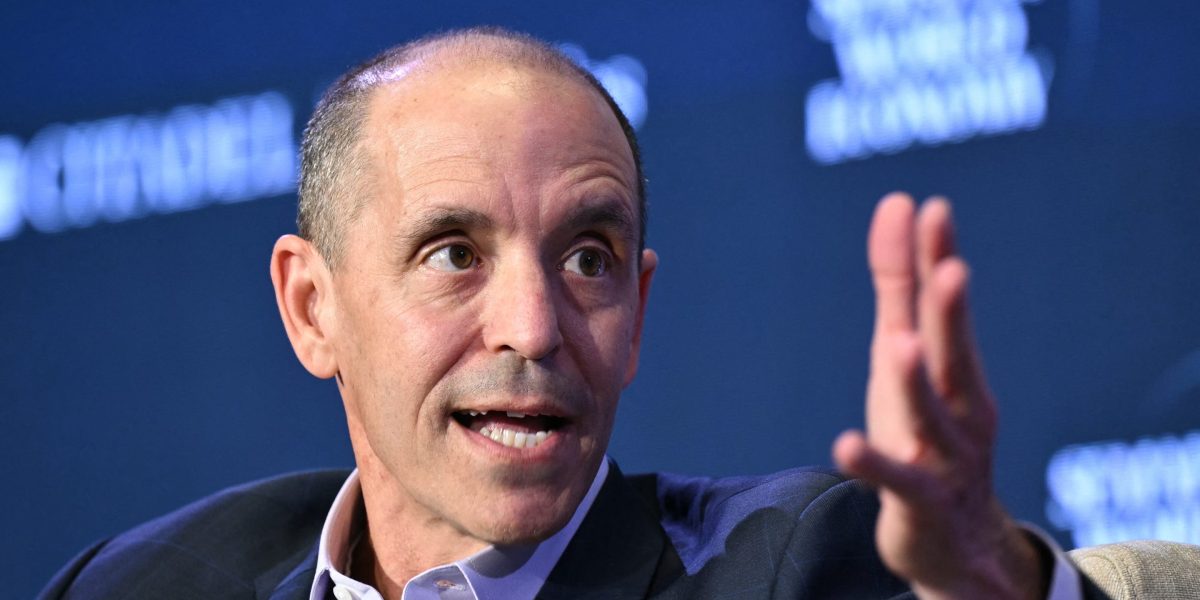
The discourse surrounding artificial intelligence (AI) has intensified, with OpenAI’s chief global affairs officer Chris Lehane cautioning against irresponsible messaging related to the technology. In an interview with The San Francisco Standard, Lehane emphasized the importance of fostering a more positive narrative, pointing to a recent NBC News poll that revealed only 26% of U.S. voters view AI positively, while 46% hold negative views. He remarked, “Some of the conversation out there is not necessarily responsible… this is really serious s–t.”
The backlash against AI has escalated, as fears surrounding its impact on jobs and society permeate public sentiment. This growing unease was exemplified last week when a 20-year-old man, Daniel Moreno-Gama, allegedly threw a Molotov cocktail at the home of OpenAI CEO Sam Altman. Authorities discovered a manifesto expressing concerns about humanity’s extinction due to AI, which included threats of violence. Social media reactions to the incident underscored a widespread fear, with comments on platforms like Instagram and TikTok reflecting sentiments such as “He’s not scared enough” and “Finally some good news on my feed.”
This violent incident follows another alarming event in Indiana, where a city councilman faced a shooting at his home after advocating for a data center project in his district. The assailant reportedly fired 13 shots into the residence, leaving behind a sign opposing data centers. These occurrences highlight a concerning trend of hostility towards individuals associated with AI development and infrastructure.
Lehane argues that the AI community must shift its focus toward highlighting the technology’s benefits. “Our job at OpenAI and in the AI space—and we need to do a much better job—is to explain to people why… this is going to be really good for them, for their families and for society writ large,” he stated. While some proponents envision a future where AI allows for more leisure time and reduced workweeks, Lehane noted the stark contrast with those who harbor pessimistic views about humanity’s trajectory.
Despite the polarizing opinions on AI, data suggests that extreme predictions may be exaggerated. A February study by the National Bureau of Economic Research indicated that most executives—out of a surveyed 6,000 CEOs and high-level managers—have observed minimal impact from AI on their operations, despite roughly two-thirds reporting the use of the technology. Although some tech firms have implemented layoffs attributed to AI automation, macroeconomic indicators, such as the 178,000 job gains reported in March and a decrease in the unemployment rate to 4.3%, suggest that these job losses have not yet significantly affected the labor market.
Lehane expressed skepticism regarding the dire forecasts for AI’s role in the economy, stating, “You’ve had a series of things that have been put out there—but haven’t come to fruition—about extreme things that are going to happen.” As the conversation around AI continues to evolve, the challenge remains to navigate the balance between optimism and caution in presenting the technology’s potential and pitfalls.
See also Secure Traces Launches AI Readiness Offering, Reducing Risk by Up to 91% for Enterprises
 AI-Powered IoT Systems Boost Workplace Safety Compliance with Real-Time Monitoring
 Cybersecurity Experts Urge Swift AI Regulation Amid 44% Rise in Cyberattacks
 Midland’s New Group Aims to Regulate AI Use Amid Local Concerns and Global Impacts