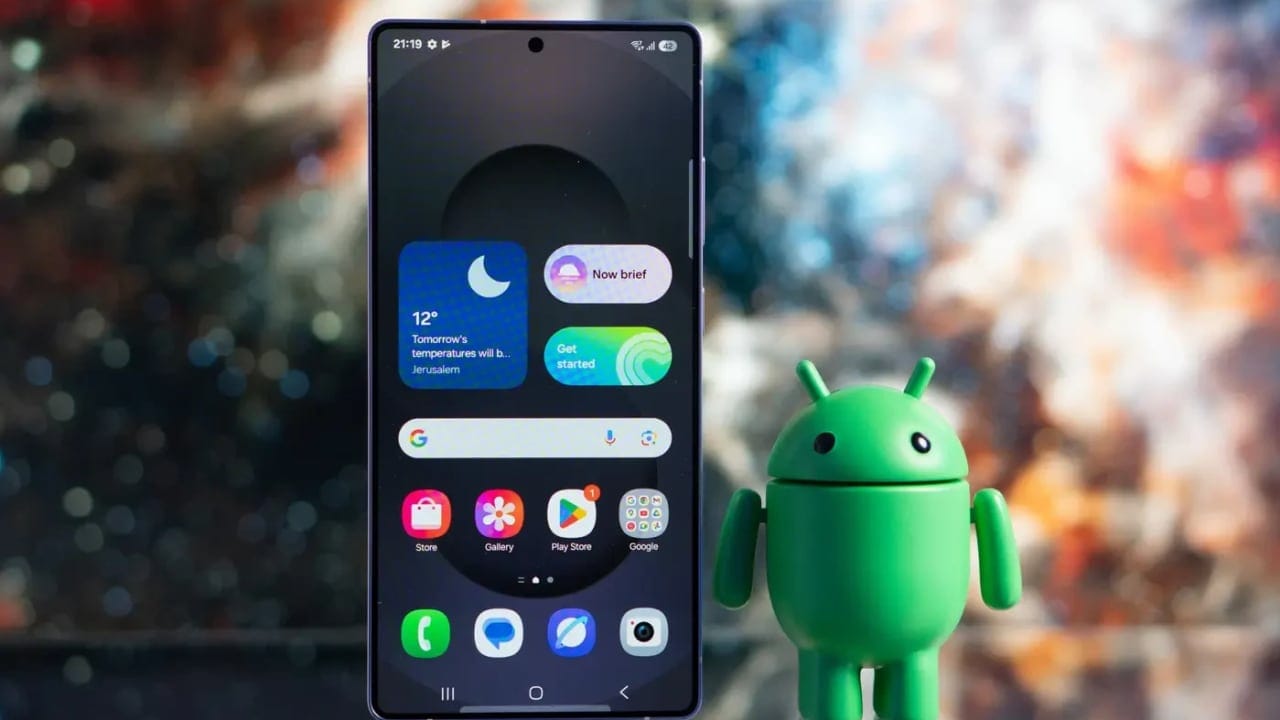
Samsung is taking proactive steps in the artificial intelligence landscape, announcing that its next flagship devices will integrate Perplexity as part of a broader expansion of its Galaxy AI system. This integration is more than an enhancement; it involves a deep synergy with Samsung’s existing applications, including Samsung Notes, the Clock, the Gallery, Reminders, and the Calendar.
The announcement reflects a significant shift in Samsung’s approach to AI. Instead of relying solely on a singular AI engine, the company aims to position itself as an “orchestrator” of various AI agents, as articulated by Won-Joon Choi, President and Head of the Research and Development Division at Samsung Mobile. Choi emphasized the goal of providing users with enhanced flexibility and choices for task execution, allowing different forms of AI to create a seamless and natural experience.
Users will have the ability to activate the Perplexity agent using a dedicated voice command, “Hey Plex,” or through physical shortcuts on the device. This integration prompts intriguing questions about the future of Bixby, Samsung’s long-standing virtual assistant, which is also undergoing significant updates. The coexistence of Bixby and Perplexity within the user interface could alter user interaction dynamics.
While the current announcement emphasizes Samsung’s native applications, the company has also indicated that third-party applications will support this new integration, although specific partner companies have not yet been disclosed.
The partnership between Samsung and the AI start-up Perplexity is not new; last year, the companies announced a collaboration to incorporate Perplexity’s search engine into Samsung’s smart televisions. This latest move signifies a deepening of that relationship, shifting focus to the user’s most personal device—its smartphone.
However, this development arrives at a challenging juncture for Perplexity. The firm is currently facing scrutiny and legal challenges over allegations of copyright infringement and content scraping. Notably, it was sued in September by prominent entities, including Merriam-Webster and Encyclopaedia Britannica, raising questions about the legal viability of its technology. For Samsung, partnering with a technology still grappling with legal hurdles presents a risk, yet the search and information processing capabilities offered by Perplexity are compelling in today’s competitive tech landscape.
In a broader context, the integration of AI into mobile devices is becoming increasingly essential as consumers demand more intelligent and responsive technology. Samsung’s initiative to adopt multiple AI agents signals its commitment to maintaining a leading edge in an industry rapidly evolving due to advancements in AI capabilities.
Looking ahead, Samsung’s move could redefine how users interact with AI on their devices, potentially setting a benchmark for other manufacturers. As the competition in AI technologies escalates, Samsung’s integration of Perplexity may pave the way for more sophisticated, user-centric experiences in mobile technology, further solidifying its place in the market.
See also Nvidia Stops Investments in OpenAI, Anthropic Amid Strategic Shift in AI Services
 Defense Contractors Phase Out Anthropic AI Following Trump’s Federal Ban
 Tech Mahindra and Microsoft Launch Ontology-Driven AI Platform for Telecom Optimization
 Meta Develops Custom AI Chips to Enhance Efficiency and Expand AI Ecosystem
 Apple Launches MacBook Air and Pro with M5 Chips, Promises Up to 8x Faster AI Performance